



Voice control technology has become a cornerstone of the smart device revolution, enabling users to interact with appliances, entertainment systems, and IoT devices without physical interfaces. From adjusting lighting and climate to managing security systems, voice commands provide intuitive and hands-free operation.
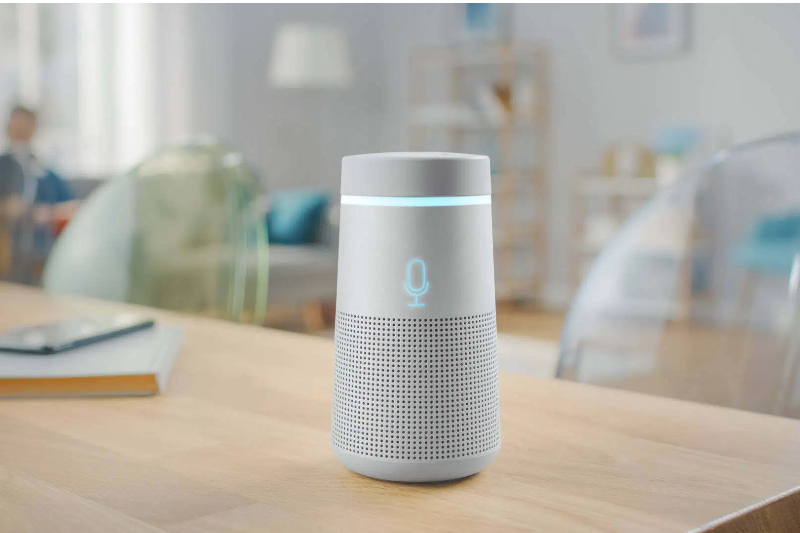
Advanced voice recognition systems now support multiple languages, dialects, and even individual speaker identification, enhancing both accuracy and user experience. Coupled with AI-driven contextual understanding, voice control enables complex commands, such as “turn off all lights in the living room and set the thermostat to 22°C,” simplifying daily routines.
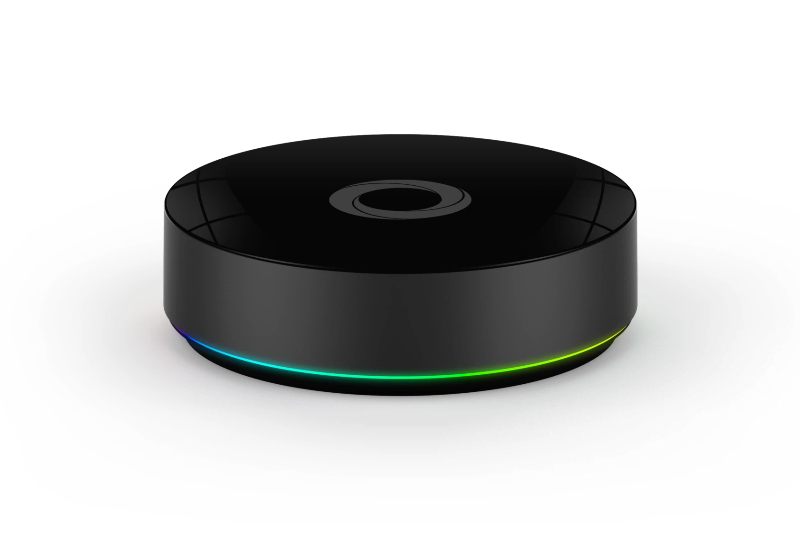
Integration with smart home ecosystems ensures that voice control works seamlessly across a range of devices, from smart TVs and ovens to security cameras and robotic vacuums. This interoperability reduces friction for users and fosters greater adoption of connected technologies.
Beyond convenience, voice control is increasingly applied in accessibility solutions. Individuals with mobility or visual impairments can manage home environments, communicate, and access information entirely through voice, highlighting the transformative potential of this technology.
Industry analysts predict continued growth in voice-controlled devices, driven by AI advancements, consumer demand for convenience, and the proliferation of smart appliances. As voice technology becomes more sophisticated, it is set to redefine human-device interaction, making smart living more intuitive and accessible.
Post time: Feb-20-2026