



Smart devices are reshaping the consumer electronics landscape, becoming essential tools in everyday life across households, workplaces, healthcare, transportation, and entertainment. From wearables and sensors to smart speakers and connected appliances, the industry is seeing unprecedented innovation driven by artificial intelligence, cloud infrastructure, and advanced hardware integration.

The latest generation of smart devices emphasizes personalization. Devices no longer simply execute commands—they learn from user behavior, adapting settings, predicting needs, and offering proactive recommendations. Smartwatches, for example, now analyze sleep quality, stress levels, and exercise patterns, delivering tailored health insights and early warnings for potential medical conditions. Similarly, smart assistants can identify user routines and automatically adjust environmental conditions or suggest productivity enhancements.
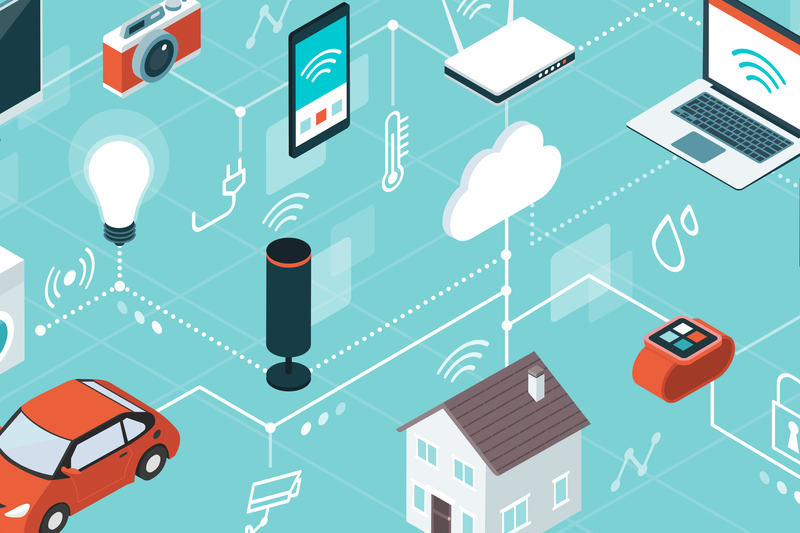
Connectivity remains at the heart of smart device functionality. The expansion of 5G networks, along with low-power IoT standards such as NB-IoT and LoRaWAN, is enabling a new wave of devices that operate with minimal latency and reduced energy consumption. This connectivity is powering innovations in areas such as asset tracking, industrial automation, agriculture monitoring, and smart transportation.
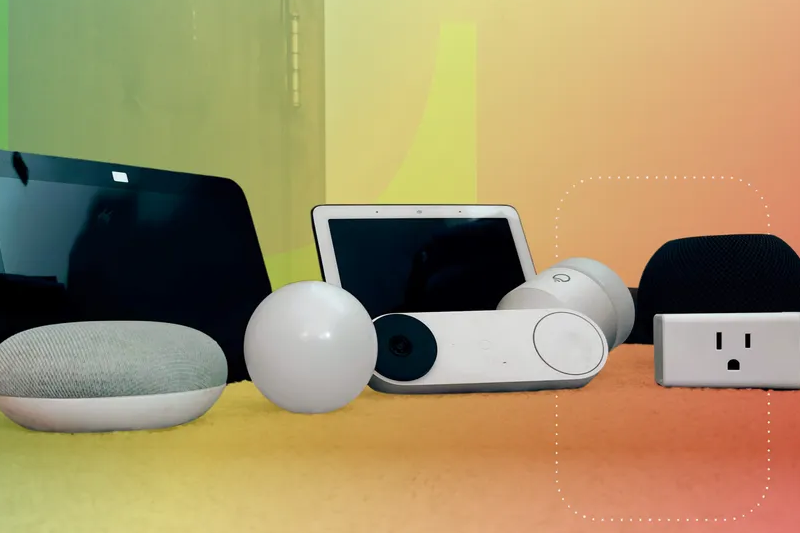
In the home environment, smart devices continue to proliferate. AI-enabled kitchen appliances can automate cooking processes, track food freshness, and provide nutritional advice. Smart TVs now integrate advanced voice recognition, multi-user profiles, and personalized content recommendations powered by machine learning. Even small devices—such as smart plugs, door sensors, and voice assistants—are contributing to a more cohesive and intuitive smart ecosystem.
In the corporate world, smart devices are driving the future of “connected workplaces.” Smart ID badges, occupancy sensors, and automated conference systems are streamlining resource management and improving operational efficiency. Wearable devices designed for industrial workers can monitor fatigue, environmental hazards, and biometric safety indicators, contributing to reduced workplace accidents.
Environmental sustainability is also shaping device development. Manufacturers are increasingly utilizing recyclable materials, energy-efficient chipsets, and extended product lifecycles. Software-driven updates allow devices to stay relevant for longer periods, reducing electronic waste.
Security, however, remains a central issue. As devices collect more personal data, the need for robust cybersecurity protocols grows. Manufacturers are responding with end-to-end encryption, hardware-level security modules, and improved data-privacy control for users.
With demand continuing to rise, the smart device market is expected to remain one of the fastest-growing sectors in global technology. As AI becomes more deeply embedded in hardware, the next generation of smart devices will likely blend seamlessly into daily environments—operating quietly in the background while enhancing safety, productivity, health, and convenience.
Post time: Dec-16-2025