



The global agriculture sector is undergoing a rapid transformation driven by the integration of Internet of Things (IoT) technologies. Agricultural IoT devices are becoming the digital backbone of precision farming, enabling farmers to collect, analyze, and act on real-time field data with unprecedented accuracy. These devices include connected sensors, smart gateways, cloud platforms, and AI-powered analytics systems that together form an intelligent agricultural ecosystem.
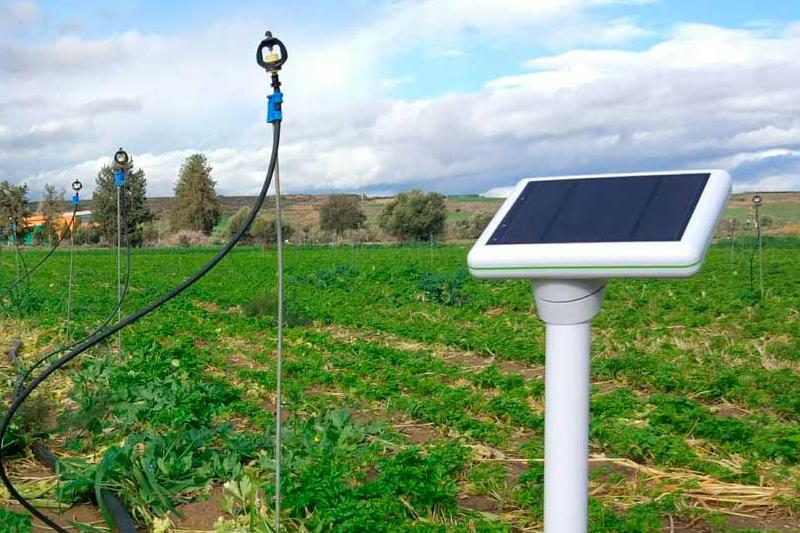
At the core of this transformation is the ability of IoT devices to continuously monitor environmental and crop conditions. Traditional farming methods rely heavily on manual observation and historical knowledge, which often leads to inefficiencies in irrigation, fertilization, and pest control. Agricultural IoT devices eliminate much of this guesswork by providing real-time insights into soil moisture, temperature, humidity, nutrient levels, and crop health indicators.
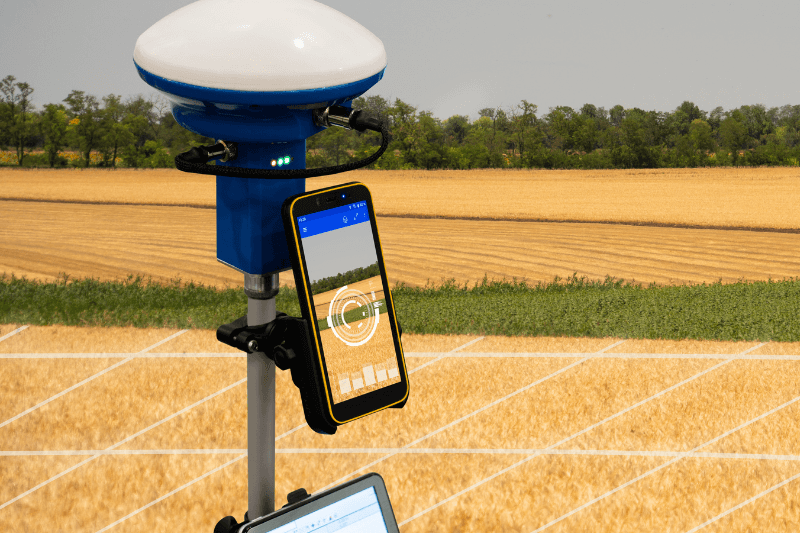
One of the most significant advantages of IoT-enabled agriculture is data-driven decision-making. Farmers can now access dashboards on mobile devices or computers that provide live updates from their fields. For example, if a crop field shows signs of water stress, automated alerts can be sent, prompting immediate irrigation adjustments. This reduces water waste and improves crop yield simultaneously.
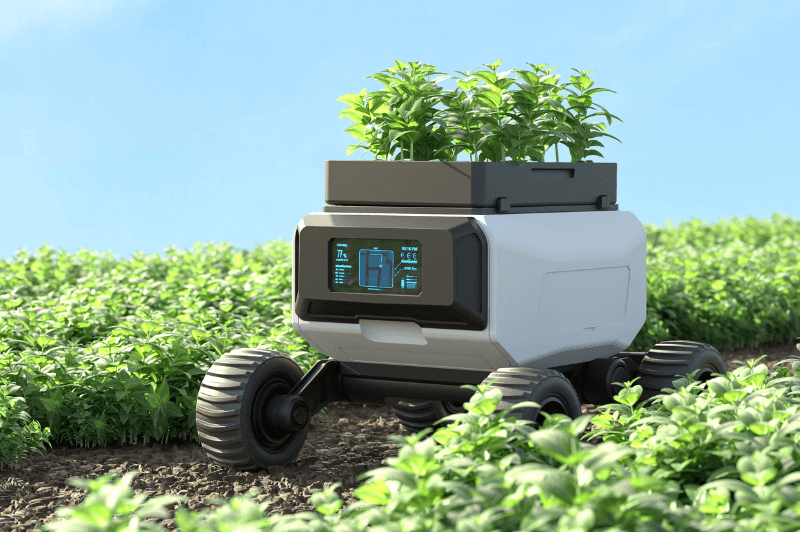
In large-scale farming operations, IoT devices are often integrated with GPS-enabled machinery and drones. These systems enable precision spraying, automated harvesting, and field mapping. Drones equipped with multispectral cameras can identify crop diseases before they become visible to the human eye, allowing for early intervention and reduced crop loss.
Cloud computing plays a critical role in supporting agricultural IoT ecosystems. Data collected from thousands of sensors is transmitted to cloud platforms where machine learning algorithms analyze trends and predict outcomes such as optimal planting times or expected yield. Over time, these systems become more accurate as they learn from historical farm data.
However, despite the advantages, the adoption of agricultural IoT devices is not without challenges. Connectivity remains a major issue in rural areas, especially in developing countries where network infrastructure is limited. Additionally, the initial cost of deploying IoT systems can be high, making it difficult for small-scale farmers to adopt these technologies.
Cybersecurity is another growing concern. As farms become more connected, they also become vulnerable to cyber threats. Ensuring secure data transmission and protecting agricultural systems from hacking attempts is becoming a priority for IoT solution providers.
Despite these challenges, the future of agricultural IoT devices looks highly promising. Governments and private organizations are increasingly investing in smart farming initiatives to improve food security and sustainability. As technology becomes more affordable and accessible, IoT adoption in agriculture is expected to accelerate rapidly over the next decade.
Post time: Jun-18-2026