



Thermal management has become one of the most important engineering challenges in modern electronic products. As devices become smaller while incorporating more powerful processors, wireless modules, batteries, displays, amplifiers, LEDs, motors, and other high-performance components, managing heat inside a compact enclosure becomes increasingly difficult.
A cooling system is not simply a fan or heat sink added after the PCB has been completed. Effective thermal management requires coordination between electronic design, PCB layout, enclosure design, material selection, airflow, thermal interfaces, and manufacturing.
For hardware developers, identifying thermal problems early can prevent performance degradation, component failure, and costly redesigns during later production stages.
Electronic components generate heat during normal operation. Power management ICs, processors, wireless modules, power amplifiers, LEDs, motors, batteries, and other components can all contribute to the thermal load. If heat cannot escape efficiently, the internal temperature of the product can increase. Excessive temperature may reduce component performance, shorten component life, cause thermal throttling, or create reliability problems.
The challenge becomes even greater when the product has a small enclosure. A compact housing provides limited internal volume and fewer opportunities for natural heat dissipation. This means thermal management should be considered before the enclosure is finalized.
Thermal design begins with understanding where heat is generated on the PCB. During PCBA design review, engineers can identify components that generate significant heat and evaluate their locations. Heat-generating components should be positioned in a way that allows heat to spread through the PCB or transfer toward an appropriate thermal path.
Copper areas, thermal vias, PCB layer structure, and component placement can all influence thermal performance. Components with thermal pads may require appropriate copper areas and thermal vias to transfer heat away from the device. If high-temperature components are placed close to heat-sensitive components, the overall thermal condition may become more difficult to manage.
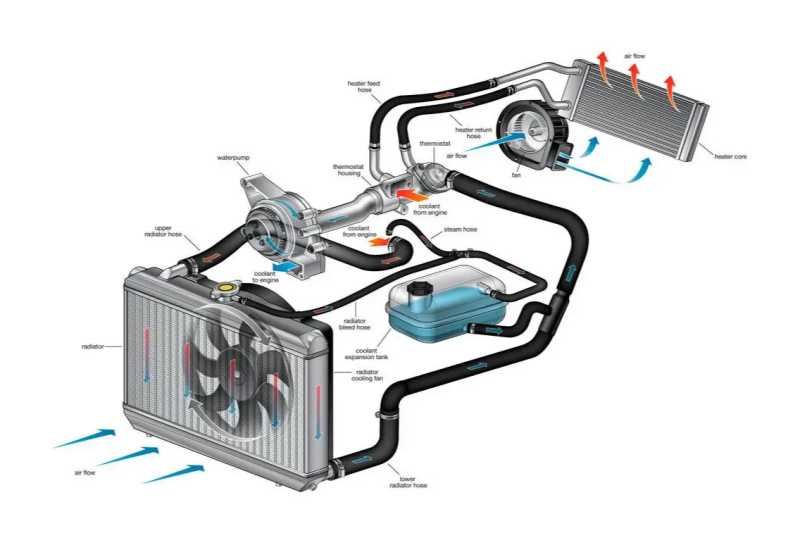
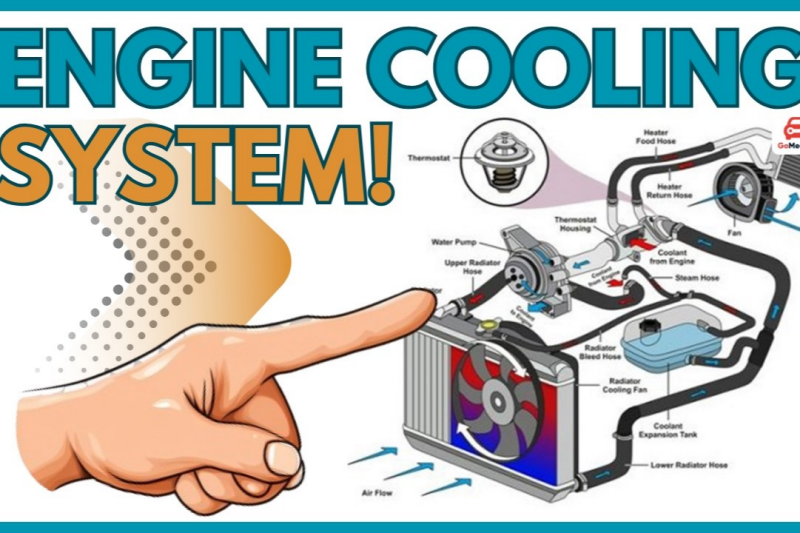
Cooling systems can generally be divided into passive and active approaches. Passive cooling relies on natural heat transfer without moving parts. Examples include heat sinks, thermal pads, metal frames, conductive housing materials, and optimized PCB layouts. Active cooling uses mechanisms such as fans or pumps to move air or another cooling medium.
For compact consumer electronics, passive cooling is often attractive because it reduces noise, power consumption, and mechanical complexity. However, industrial equipment, high-performance computing devices, and other products with significant heat generation may require active cooling.
The enclosure itself is part of the thermal system. A sealed enclosure may provide excellent protection against dust and water, but it can also make heat dissipation more difficult. This creates an engineering trade-off between environmental protection and thermal performance.
One approach is to transfer heat from internal components to the enclosure itself. A metal housing, for example, may act as a heat-spreading surface. Another approach is to use thermal pads or other thermal interface materials between heat-generating components and structural parts of the enclosure.
However, these solutions need to be integrated into the mechanical design. The enclosure must provide sufficient contact pressure and appropriate tolerances while maintaining reliable assembly.
For outdoor or industrial electronics, cooling and waterproofing may need to be considered together. Ventilation openings can improve airflow but may create potential paths for water and dust. Some products may therefore rely on passive heat conduction, thermally conductive materials, heat sinks, or sealed thermal paths rather than conventional airflow.
Prototype testing is essential for validating thermal performance. Engineers can measure temperatures at critical locations under realistic operating conditions. Testing may include different operating loads, ambient temperatures, orientations, and operating durations.
If excessive temperatures are identified, engineers can adjust the PCB layout, component placement, enclosure structure, thermal interface, or cooling mechanism before production tooling is finalized.
A thermal solution must also be practical for manufacturing. A complex heat sink may provide excellent performance but increase assembly time or manufacturing cost. Thermal pads must be installed consistently, and mechanical contact surfaces must maintain appropriate tolerances.
For mass production, thermal management should therefore be designed around repeatability. The goal is not simply to create one prototype that stays cool, but to create a production system where every unit can maintain acceptable thermal performance.
As electronic products continue to become smaller and more powerful, cooling can no longer be treated as an afterthought. From PCB layout and component selection to enclosure design and prototype testing, every stage contributes to the final thermal performance of the product.
A well-designed cooling system does more than prevent overheating. It helps improve reliability, maintain performance, extend component life, and create a more robust path from prototype to mass production.
Post time: Aug-30-2026