



As electronic products become smaller, smarter, and more integrated, the role of the product cover has changed significantly. A cover or enclosure is no longer simply an outer shell used to protect a PCB from physical damage. In modern hardware development, it has become an important part of the overall engineering system, influencing thermal management, waterproofing, dust protection, impact resistance, assembly efficiency, user experience, and manufacturing cost.
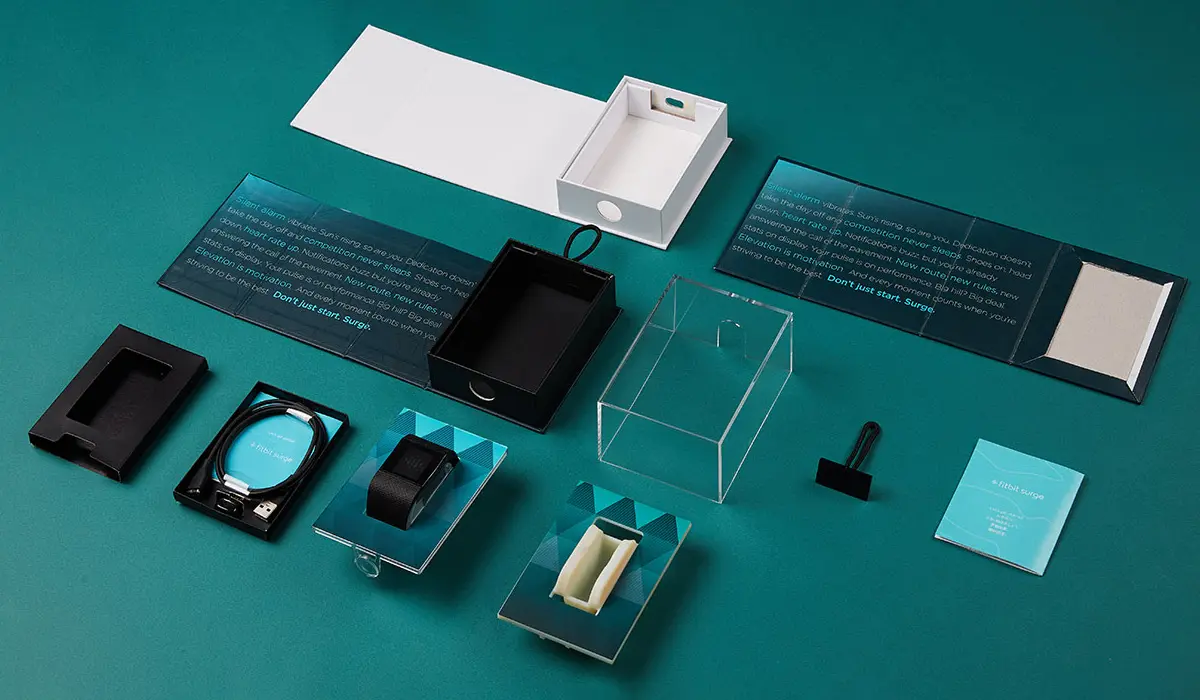
For companies developing smart devices, IoT equipment, consumer electronics, industrial controllers, wearable products, and other connected hardware, enclosure design needs to be considered together with electronic and mechanical development. A PCB that works perfectly in an open prototype may encounter serious problems once it is installed inside a finished enclosure. Components may interfere with the housing, connectors may become inaccessible, wires may be compressed, and heat generated by the electronics may have nowhere to escape.
This is why professional enclosure development requires close coordination between electrical and mechanical engineering. The design team needs to understand the dimensions and layout of the internal components before finalizing the external housing. A typical electronic product may contain a PCBA, battery, speaker, microphone, display, buttons, connectors, cables, sensors, and wireless modules. Each component requires an appropriate installation position and sufficient clearance.
The position of wireless modules, for example, may affect antenna performance. A speaker requires an appropriate acoustic path, while microphones may need to be positioned away from noise sources. Batteries require secure mechanical support, and buttons must align accurately with external openings. USB or charging ports also need to remain accessible to users while maintaining the required mechanical and environmental protection.
Material selection is another important consideration. Common enclosure materials include ABS, PC, PC+ABS, aluminum, and various engineering plastics. The appropriate material depends on the product’s operating environment, mechanical requirements, thermal requirements, appearance, weight, and manufacturing process. ABS and PC+ABS are widely considered for consumer electronics because they can provide a balance between strength, appearance, weight, and manufacturability. PC can be useful when higher impact resistance or transparency is required, while metal housings may provide greater structural strength and thermal conductivity.
However, material selection should not be based solely on appearance. The material needs to support the product’s functional and manufacturing requirements. A housing designed for outdoor electronics, for example, may require better resistance to moisture, UV exposure, temperature changes, and mechanical impact than a housing designed for indoor consumer electronics.
Manufacturing considerations should also be introduced before the enclosure design is finalized. For injection-molded products, engineers need to evaluate draft angles, wall thickness, ribs, bosses, parting lines, sink marks, warpage, and mold structure. A design that looks attractive in CAD may still be difficult or expensive to manufacture. A DFM review can identify potential problems before tooling begins and help reduce the risk of costly modifications later.
Assembly is another critical aspect. The enclosure should allow the PCBA, battery, cables, buttons, speakers, and other components to be installed efficiently and consistently. Locating features, snap-fits, screw bosses, cable channels, and component retention structures can help simplify assembly and reduce manufacturing errors.
The relationship between the enclosure and PCBA is particularly important. Mounting structures should provide sufficient support without creating excessive stress on the PCB. Connectors need to align with external openings, while wires should have enough space to avoid sharp bends, compression, or interference with other components.
Environmental protection requirements also need to be defined early. Products exposed to water, dust, vibration, or impact may require specific enclosure structures and sealing solutions. Waterproofing and dustproofing cannot simply be added at the end of development because they can affect the housing structure, connector selection, component placement, thermal management, and assembly process.
Prototype development provides an opportunity to validate these requirements before mass production. Prototype housings can be manufactured using 3D printing, CNC machining, or other rapid manufacturing processes. Engineers can then verify dimensions, component placement, ergonomics, assembly, cable routing, and structural performance before investing in production tooling.
Once the design has been validated, the enclosure can be optimized for injection molding or another suitable production process. This transition from prototype to mass production requires careful coordination between design engineering, tooling, manufacturing, quality control, and assembly teams.
Ultimately, the modern electronic product cover is much more than an aesthetic component. It is an engineering interface between the electronics, the user, the environment, and the manufacturing process. A successful enclosure design protects internal components while supporting thermal management, assembly, usability, reliability, and scalable production. By evaluating the cover together with the PCBA and other internal components from the beginning, product developers can reduce redesigns, shorten development cycles, and improve the reliability of the final product.
For hardware companies moving from concept and prototype toward production, enclosure engineering should therefore be treated as a core part of product development rather than a final design step.
Post time: Aug-30-2026