



In recent years, agriculture has undergone a rapid transformation driven by digital technologies, with Crop Health Sensors emerging as one of the most influential innovations in precision farming. As global food demand continues to rise and climate conditions become increasingly unpredictable, farmers are turning to data-driven solutions to monitor crop health in real time, optimize resource usage, and reduce agricultural risks.
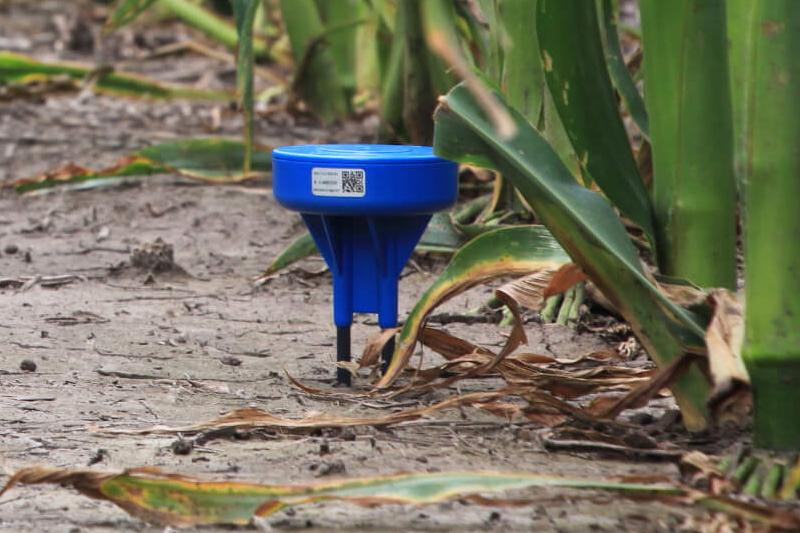
Crop health sensors are advanced IoT-enabled devices designed to continuously measure key indicators of plant vitality, including chlorophyll levels, moisture stress, leaf temperature, nutrient deficiency, and early disease symptoms. Unlike traditional manual inspection methods, which are time-consuming and often subjective, these sensors provide continuous, high-precision data directly from the field.
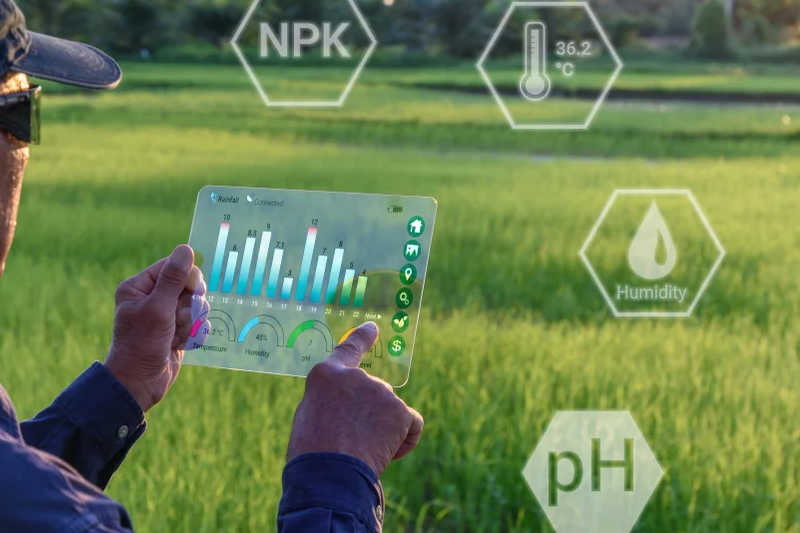
One of the most significant advantages of crop health sensors is their ability to detect plant stress before visible symptoms appear. By analyzing spectral reflectance and physiological changes in plants, these devices can identify issues such as nitrogen deficiency or fungal infection at a very early stage. This allows farmers to take corrective action much sooner, reducing crop loss and improving yield quality.

Modern systems integrate crop sensors with cloud-based analytics platforms. Data collected from the field is transmitted via wireless networks such as LoRaWAN, NB-IoT, or 5G, enabling farmers to access real-time dashboards on their smartphones or computers. These dashboards provide actionable insights, including irrigation recommendations, fertilizer optimization, and disease risk alerts.
In large-scale commercial farming, crop health sensors are often deployed in combination with drones and satellite imaging systems. While satellites provide macro-level field analysis, ground-based sensors deliver micro-level precision, creating a complete multi-layered monitoring system. This synergy significantly enhances decision-making accuracy in precision agriculture.
Leading agricultural technology companies are also incorporating artificial intelligence and machine learning algorithms into crop health monitoring systems. AI models analyze historical and real-time data to predict crop performance trends, recommend interventions, and even simulate future yield outcomes under different environmental conditions.
The adoption of crop health sensors is particularly critical in regions facing water scarcity and soil degradation. By enabling precision irrigation and targeted fertilization, these systems reduce unnecessary resource usage and promote sustainable farming practices. In some cases, farmers have reported water savings of up to 30–40% while maintaining or even increasing crop yields.
Despite the clear benefits, challenges remain in terms of cost, scalability, and data integration. Small-scale farmers in developing regions may find it difficult to invest in advanced sensor networks. However, ongoing innovation is driving down hardware costs, making these technologies more accessible than ever before.
As global agriculture continues to digitalize, crop health sensors are expected to become a standard component of modern farming infrastructure. Their ability to deliver real-time, actionable insights is reshaping how food is produced, monitored, and managed across the world.
Post time: Jul-06-2026