



The global demand for efficient energy management is increasing rapidly as businesses, industries, and governments continue to focus on reducing energy costs, improving operational efficiency, and achieving sustainability goals. Energy Consumption Trackers are becoming essential tools for organizations seeking greater visibility into how electricity and other energy resources are used across buildings, factories, infrastructure systems, and renewable energy installations.
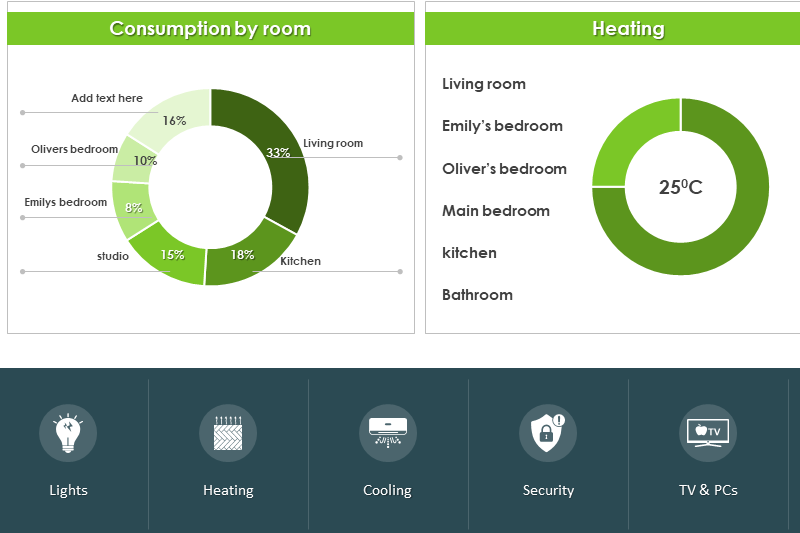
Traditional energy management methods often rely on monthly utility bills or manual meter readings to understand consumption patterns. However, these approaches provide limited information and make it difficult to identify energy waste, unusual consumption behavior, or opportunities for optimization. Energy Consumption Trackers provide a more intelligent solution by collecting real-time energy data, analyzing usage trends, and helping users make informed decisions based on accurate information.
Modern Energy Consumption Trackers combine advanced hardware and software technologies to monitor energy usage continuously. These systems typically include smart meters, current and voltage sensors, embedded controllers, communication modules, and cloud-based data platforms. By measuring parameters such as voltage, current, power factor, frequency, active power, reactive power, and total energy consumption, these devices provide a comprehensive understanding of energy performance.
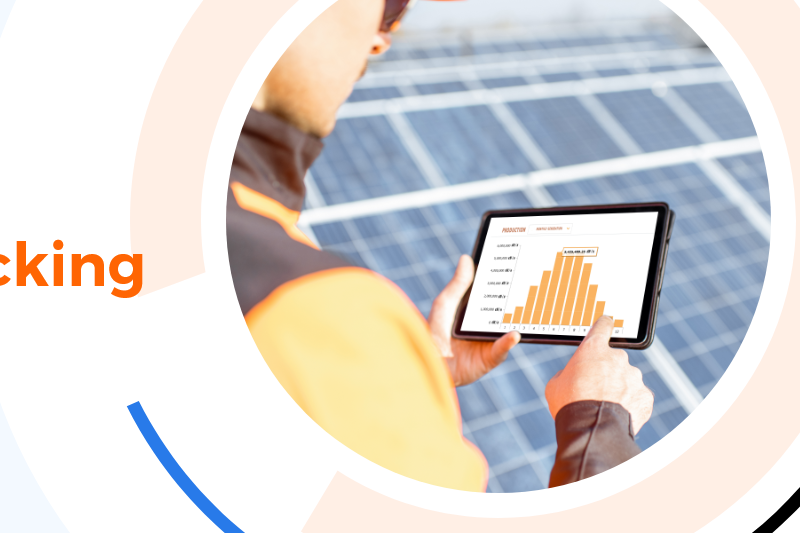
One of the most important advantages of Energy Consumption Trackers is their ability to provide real-time monitoring. Instead of waiting for monthly reports, users can view energy consumption data instantly through web dashboards or mobile applications. This allows businesses to quickly identify inefficient equipment, detect abnormal energy patterns, and take corrective actions before unnecessary costs accumulate.
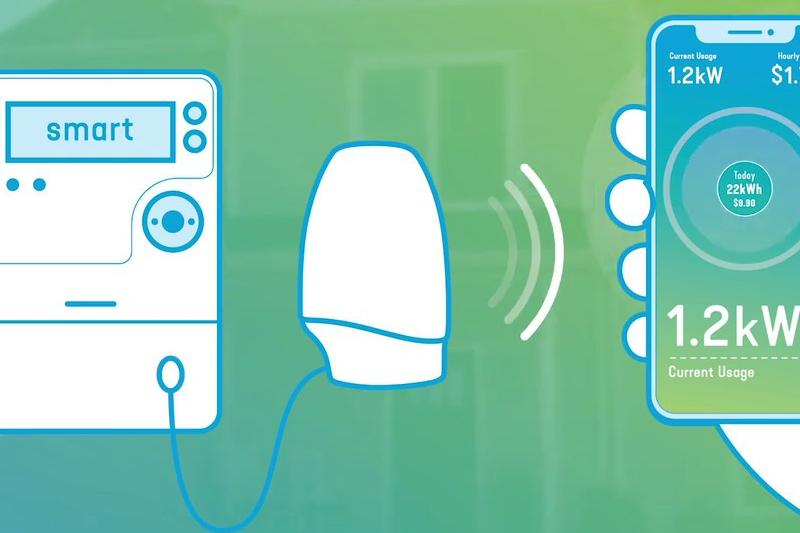
In commercial buildings, Energy Consumption Trackers are playing an important role in smart building management. Office buildings, shopping centers, hotels, and public facilities often operate multiple systems, including lighting, heating, ventilation, air conditioning, elevators, and security equipment. Without detailed monitoring, it can be difficult to understand which systems consume the most energy or where improvements can be made. By deploying intelligent energy tracking devices, facility managers can analyze consumption patterns and optimize building operations.
Industrial manufacturing is another major application area for energy consumption tracking technology. Factories often operate complex machinery that requires significant amounts of electricity. Even small improvements in energy efficiency can result in substantial cost savings. Energy Consumption Trackers allow manufacturers to monitor individual machines, production lines, or entire facilities, helping them identify inefficient processes and improve resource utilization.
The integration of Internet of Things technology has further expanded the capabilities of energy tracking solutions. IoT-based Energy Consumption Trackers can connect multiple devices across different locations and transmit data to centralized platforms. This enables companies with multiple facilities to manage energy performance from a single interface. Remote access and cloud connectivity also allow operators to monitor energy usage regardless of location.
Artificial intelligence and data analytics are becoming increasingly important in advanced energy tracking systems. Instead of simply displaying energy consumption data, intelligent platforms can analyze historical patterns, detect unusual behavior, and generate optimization recommendations. For example, an AI-powered system may identify that a machine is consuming more electricity than normal and suggest maintenance before a failure occurs.
Energy Consumption Trackers are also closely connected with renewable energy development. As more organizations install solar panels, battery storage systems, and other clean energy technologies, understanding energy generation and consumption becomes increasingly important. Smart energy tracking devices can monitor both energy production and usage, helping users maximize renewable energy utilization and reduce dependence on traditional power sources.
For residential applications, Energy Consumption Trackers are helping homeowners create more energy-efficient living environments. Smart home energy monitoring devices allow users to understand which appliances consume the most electricity and adjust their habits accordingly. With rising energy prices and increasing awareness of environmental responsibility, consumers are becoming more interested in technologies that help reduce household energy waste.
Government regulations and corporate sustainability initiatives are also accelerating the adoption of energy monitoring technologies. Many companies are setting carbon reduction targets and seeking ways to measure and improve their environmental performance. Accurate energy consumption data is essential for calculating carbon emissions, reporting sustainability achievements, and meeting regulatory requirements.
The development of more advanced hardware components is making Energy Consumption Trackers smaller, more affordable, and easier to deploy. Improvements in sensor technology, wireless communication, low-power processors, and embedded system design are allowing manufacturers to create compact monitoring solutions suitable for various applications. Technologies such as LoRaWAN, NB-IoT, Wi-Fi, Bluetooth Low Energy, and 5G provide flexible communication options depending on project requirements.
Cybersecurity is also becoming a key consideration as energy monitoring systems become more connected. Since energy data can provide insights into business operations and infrastructure performance, protecting this information is essential. Secure communication protocols, encrypted data transmission, user authentication, and regular software updates are important features of reliable energy tracking solutions.
Looking ahead, Energy Consumption Trackers will continue to evolve as part of the global transition toward smarter and more sustainable energy systems. Future solutions will likely incorporate advanced artificial intelligence, edge computing, digital twins, and automated control capabilities. These technologies will enable energy systems to become more adaptive, efficient, and responsive.
As organizations worldwide seek to reduce operational costs and minimize environmental impact, Energy Consumption Trackers will play a critical role in providing the information needed to achieve these goals. By transforming energy data into actionable insights, these systems are helping businesses, industries, and communities move toward a cleaner, smarter, and more sustainable future.
Post time: Aug-01-2026