



Home automation is entering a new era as advancements in artificial intelligence, sensor technology, and connectivity transform traditional houses into intelligent, self-regulating environments. What began as simple remote-controlled lighting or basic scheduling systems has evolved into integrated ecosystems that manage energy use, climate control, security, and entertainment—all with minimal user interaction.
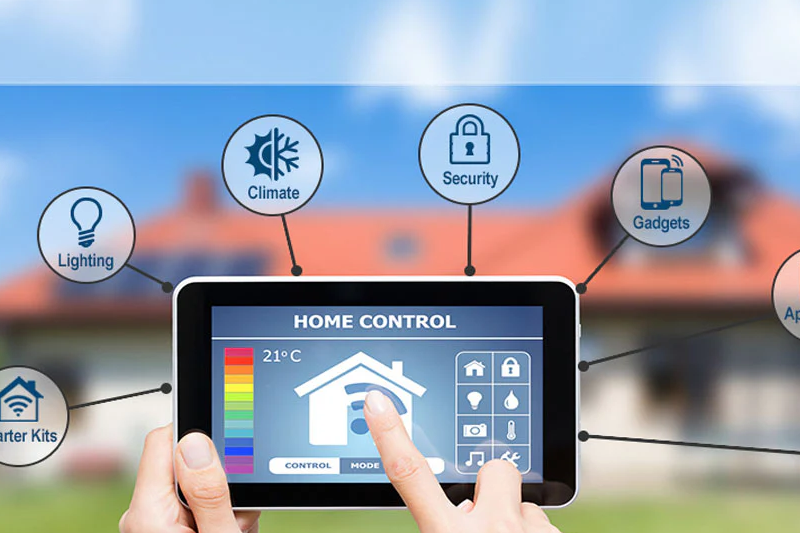
Demand for home automation is rising across both residential and commercial properties. Builders are increasingly incorporating automation-ready infrastructure, such as centralized control hubs and advanced wiring systems, directly into new developments. Retrofitting older homes has also become easier due to wireless solutions using technologies like Wi-Fi 6, Zigbee, Z-Wave, and the new Matter standard.
Energy management has emerged as one of the strongest drivers of adoption. Smart HVAC systems, battery storage solutions, solar energy controllers, and intelligent metering devices work together to optimize consumption and reduce utility bills. In regions with time-of-use pricing, home automation systems dynamically operate appliances during off-peak hours, offering significant cost savings.
Security automation remains another dominant application. Automated alarms, smart locks, and perimeter sensors now integrate with AI-powered video analysis capable of distinguishing between people, vehicles, and animals. These systems can automatically trigger security protocols—locking doors, activating alarms, or notifying authorities—based on detected threats.
In addition, the role of AI assistants is expanding. Voice-controlled automation is transitioning from simple commands to multi-step task management. For instance, a single verbal request may activate lighting scenes, adjust room temperature, and launch entertainment systems. AI-driven routines can also monitor homeowner habits, using machine learning to anticipate needs such as adjusting lighting at sunset or activating air purification before residents arrive home.
Healthcare and elder care applications are emerging as a significant trend. Automated fall detection, remote health monitoring, medication alerts, and connected emergency response systems help support aging populations and enable safer independent living. This segment is expected to see strong growth as global populations age.
Despite rapid progress, challenges remain. Cybersecurity risks are a key concern as more household systems connect to the internet. Manufacturers are responding with enhanced encryption, local-processing options, and improved certification standards. Another challenge is system complexity; however, new platforms emphasizing user-friendly interfaces are helping to reduce barriers to adoption.
Overall, home automation is rapidly progressing toward autonomous smart living. Industry experts predict that within the next decade, automated homes will become the standard rather than the exception, creating a seamless, efficient, and secure living experience.
Post time: Dec-12-2025