



The housing of a device serves as the structural frame or outer shell that supports internal components while providing essential environmental protection. In smart home devices—ranging from multi-room audio systems and Wi-Fi routers to mesh network nodes—housing plays a critical role in securing electronics, enabling proper airflow, and facilitating thermal management. By combining strength, functionality, and thoughtful design, housing ensures devices operate reliably and maintain longevity over time.
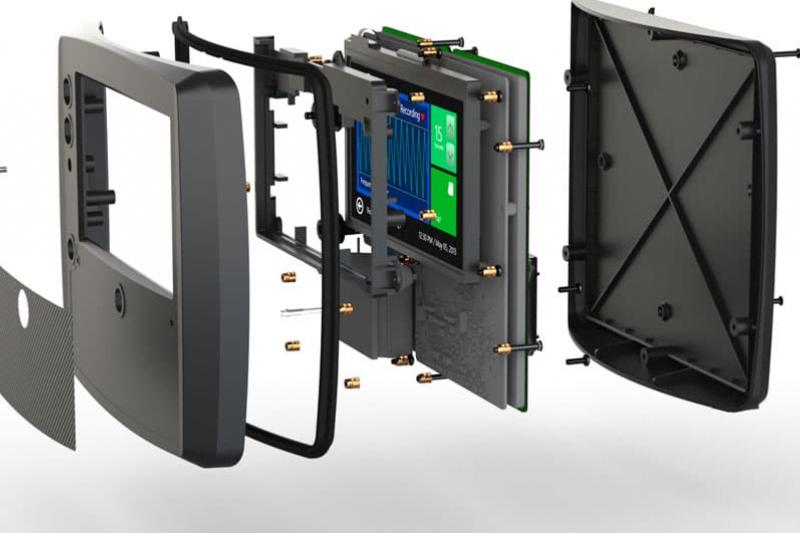
Material selection is a key factor in housing design. High-quality materials, such as durable plastics, metals, or composite structures, help reduce vibration, dampen noise, and protect sensitive electronics from potential physical damage. Properly designed housing absorbs shocks and prevents warping or deformation, which is especially important for devices that may be handled frequently or transported. In addition to mechanical protection, housing materials must support efficient heat dissipation to prevent overheating of internal components, ensuring consistent performance and extending the lifespan of the device.
The form factor of housing also greatly affects user experience. Sleek, compact, and ergonomic designs allow devices to blend seamlessly into home or office environments, while intuitive layouts make ports, buttons, and access panels easy to reach. Properly planned housing ensures that controls and interfaces are accessible without compromising protection or airflow, balancing usability with safety and durability. For example, ventilation slots can be strategically placed to allow adequate cooling while preventing dust, water, or debris from entering the device.
For outdoor applications, such as smart irrigation systems, smart gardening systems, or weather-exposed sensors, housing must provide robust protection against environmental stressors. Weatherproof housings shield electronics from rain, UV radiation, dust, and temperature fluctuations, while maintaining access for maintenance or component replacement. Materials and coatings are selected to withstand prolonged exposure to sunlight and moisture, ensuring that devices remain operational in varying climatic conditions.
Beyond protection, housing contributes to the overall perception of quality and reliability. A well-engineered enclosure signals attention to detail and durability, fostering user confidence in the device. In combination with other design considerations—such as aesthetics, ergonomics, and thermal management—housing becomes a critical factor in the success of both indoor and outdoor smart technology deployments.
In conclusion, housing is more than just a protective shell; it is a vital element that integrates form, function, and durability. By supporting internal components, facilitating thermal management, and shielding devices from environmental hazards, well-designed housing ensures that smart home and outdoor systems remain reliable, efficient, and long-lasting. Proper housing design is essential for maintaining performance, enhancing usability, and extending the operational life of modern smart devices.
Post time: Mar-30-2026