



Industrial cooling systems have become a strategic component of modern manufacturing, power generation, and high-density electronics environments. As factories transition toward higher automation levels and deploy increasingly powerful processing equipment, effective thermal management is essential to ensure operational stability, safety, and efficiency.
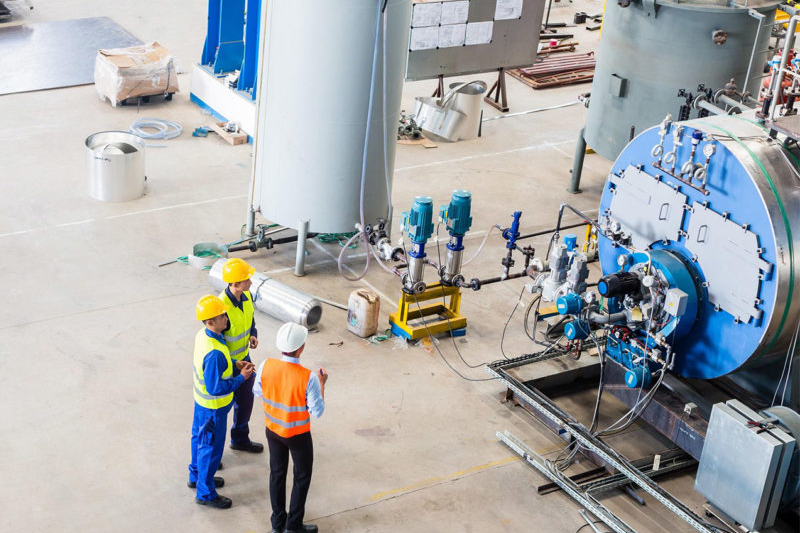
In recent years, industries ranging from semiconductor fabrication to renewable energy have reported growing challenges related to heat dissipation. Equipment such as motors, power supplies, welding systems, industrial PCs, and high-speed communication devices generate significant heat during operation. Without proper cooling, performance drops, component lifespan decreases, and the risk of unexpected downtime rises dramatically.
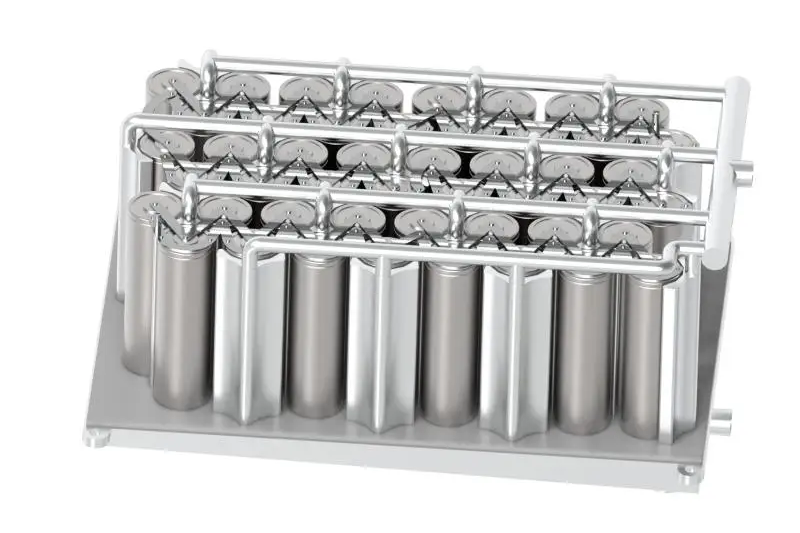
The market is witnessing strong demand for air cooling, liquid cooling, and hybrid cooling solutions, each tailored to different operational environments. Air-cooled systems remain widely used due to simplicity and low maintenance requirements. However, liquid cooling technologies are gaining momentum, particularly in high-density manufacturing lines and energy storage systems, where precise temperature control is critical. Liquid cooling provides superior efficiency, lower noise, and improved thermal performance in compact spaces.
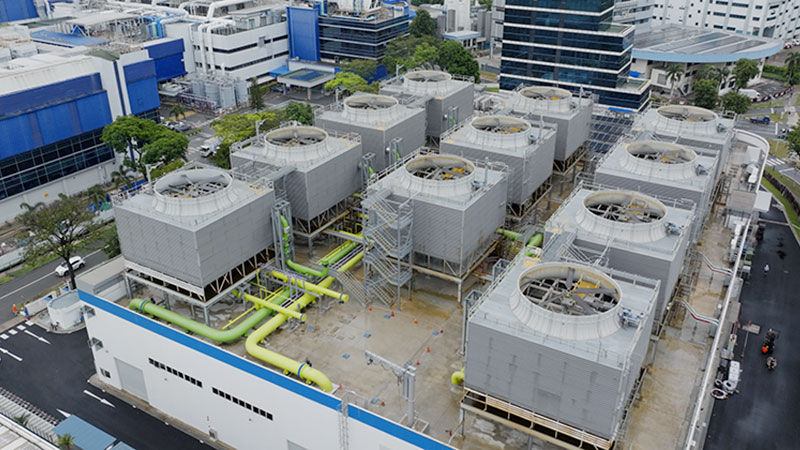
Energy efficiency regulations are accelerating innovation. Governments and industrial regulators are pushing for environmentally friendly cooling solutions that reduce electricity consumption and minimize refrigerant emissions. Manufacturers are responding with variable-speed fans, electronically controlled pumps, and advanced heat exchanger designs that optimize cooling based on real-time thermal loads.
Smart cooling systems are emerging as a transformative trend. Equipped with IoT sensors, these systems continuously monitor temperature, humidity, compressor performance, vibration levels, and coolant flow rates. Data analytics platforms then optimize cooling intensity, predict failures, and schedule maintenance before a breakdown occurs. This predictive approach significantly improves equipment uptime and reduces operational costs.
Another major driver is the global expansion of EV infrastructure, solar farms, and wind power plants. Power electronics in these sectors generate substantial heat and require reliable thermal management to maintain efficiency and safety. As renewable energy systems scale, the adoption of industrial cooling solutions is expected to surge.
Looking ahead, the industrial cooling market is positioned for strong growth as industries seek high-reliability, energy-efficient, and digitally integrated cooling technologies. Manufacturers capable of delivering intelligent, eco-friendly, and scalable cooling systems will play a pivotal role in supporting the next generation of global industrial infrastructure.
Post time: Dec-01-2025