



The industrial fan market is entering a phase of accelerated growth, fueled by expanding manufacturing sectors, higher safety standards, and the global shift toward energy-efficient ventilation solutions. Industrial fans—critical components in factories, warehouses, processing plants, and mining sites—are becoming smarter, quieter, and more efficient as manufacturers invest in new technologies and improved designs.
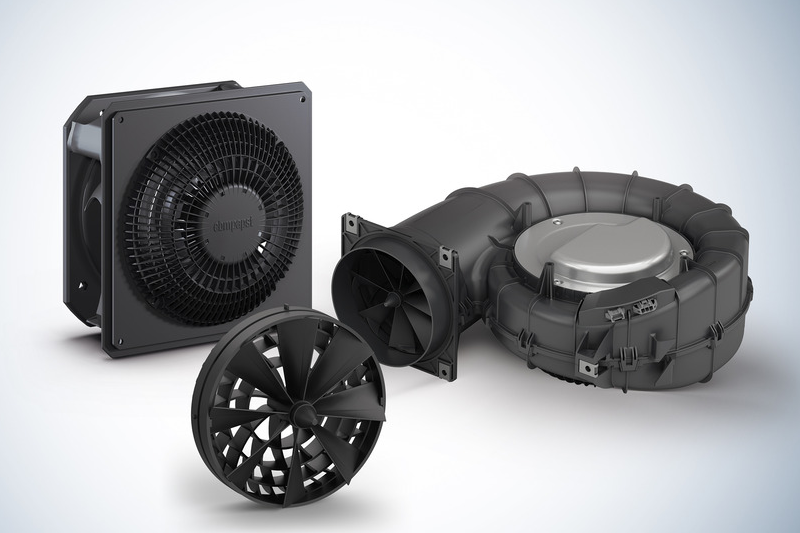
Over the past decade, ventilation has evolved from a basic requirement to a strategic operational priority. Industrial facilities now rely on advanced airflow management to maintain air quality, reduce heat buildup, protect equipment, and ensure worker safety. As regulatory bodies impose stricter rules on workplace environmental standards, demand for high-performance industrial fans has risen significantly.
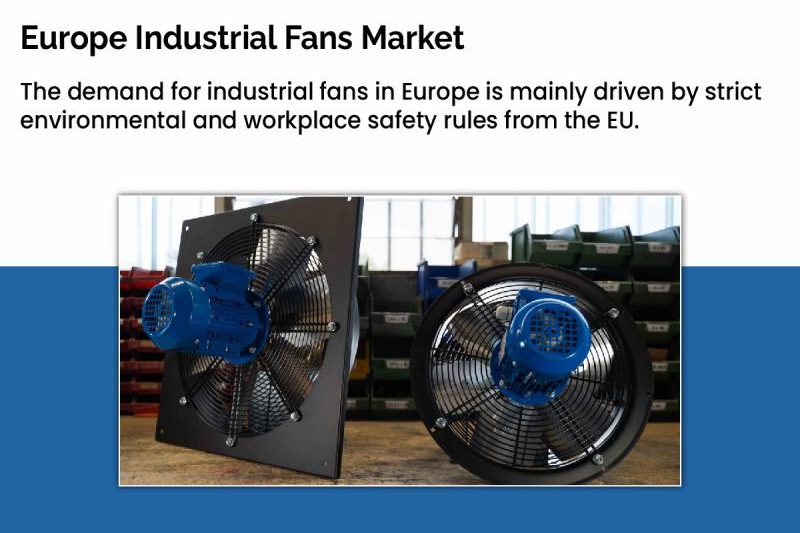
One of the major trends shaping the industry is the adoption of electronically commutated (EC) motors, which offer superior energy efficiency and longer service life compared to traditional AC motors. These motors are increasingly used in modern fan systems, enabling precise speed control, reduced energy consumption, and integration with building management systems (BMS). As energy prices continue to increase, companies are prioritizing equipment that reduces operational costs while maintaining high performance.
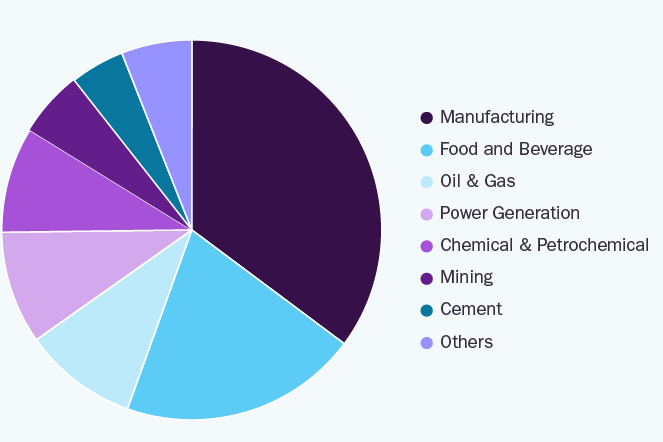
Smart ventilation is another key growth driver. Industrial fans equipped with IoT sensors, AI-driven diagnostics, and variable frequency drives (VFDs) allow facilities to monitor real-time airflow, detect performance abnormalities, and automatically adjust speed based on environmental conditions. These advanced systems are particularly valuable in industries such as battery production, semiconductor fabrication, and chemical processing, where precise airflow control is essential.
In addition to technological innovation, environmental sustainability is influencing product design. Manufacturers are developing fans made from lightweight composite materials, which reduce noise and improve mechanical efficiency. High-volume, low-speed (HVLS) fans have also gained popularity in large warehouses and logistics centers due to their ability to circulate large volumes of air while using minimal energy.
Developing regions are contributing substantially to global demand. The expansion of manufacturing hubs in Southeast Asia, Africa, and South America has created a strong market for heavy-duty ventilation equipment. Construction of mega factories, data centers, and large commercial infrastructures further boosts the industrial fan market outlook.
As industries continue to prioritize safety, energy efficiency, and smart operational control, the industrial fan industry is expected to maintain strong momentum. Market experts predict that technological advancements and international sustainability initiatives will drive rapid adoption of next-generation ventilation systems in the years ahead.
Post time: Dec-12-2025