



Industrial lighting—once considered a routine infrastructure component—has become a focal point for modernization efforts across manufacturing, warehousing, and energy-intensive industrial environments. As global industries continue to adopt smart technologies, lighting systems now play a crucial role in enhancing productivity, reducing energy consumption, and improving workplace safety.
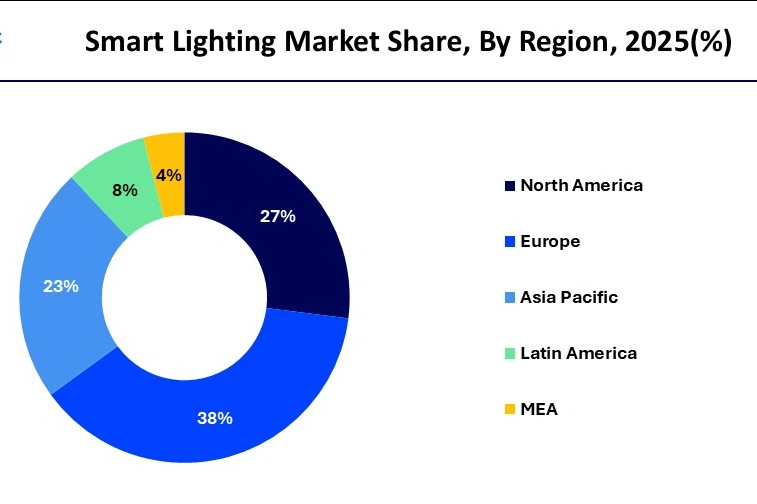
LED technology remains at the center of this transformation. Compared with traditional fluorescent and high-pressure sodium lamps, modern LED lighting solutions offer significantly higher efficiency, longer lifespan, and superior durability in demanding industrial environments. The rapid decline in LED component costs over the past decade has accelerated widespread adoption, especially among companies looking to reduce carbon emissions and meet environmental compliance standards.
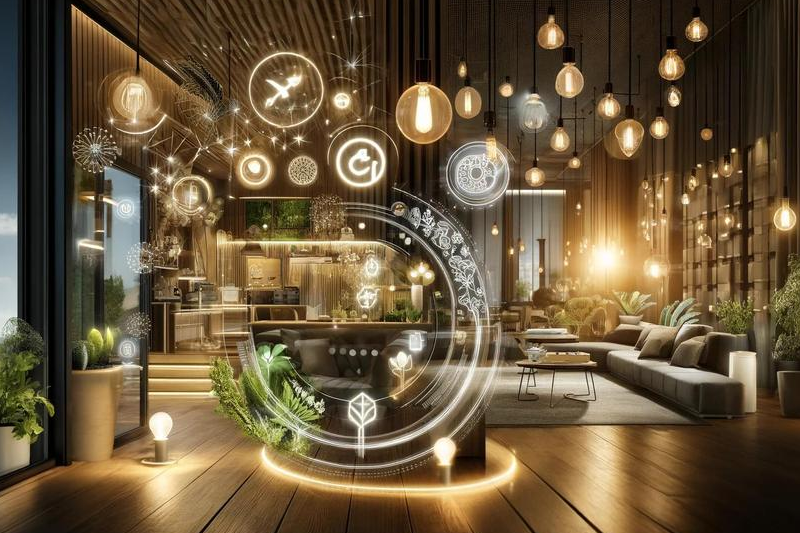
One of the biggest advancements in industrial lighting is the integration of smart controls. Intelligent lighting systems equipped with occupancy sensors, daylight harvesting capabilities, and wireless network connectivity enable facilities to optimize energy usage in real time. These systems can automatically adjust brightness levels based on worker activity, equipment usage, and ambient light conditions, resulting in substantial operational cost savings.
Industrial safety is another key focus area. Enhanced visibility directly contributes to reduced workplace accidents, particularly in industries such as automotive manufacturing, steel processing, and logistics operations. LED lighting with high color-rendering indices (CRI) provides more accurate visibility of equipment, wiring, and materials, helping workers perform tasks more safely and efficiently.
Harsh and hazardous environments—such as chemical plants, oil refineries, and mining sites—require lighting systems that can withstand extreme temperatures, corrosion, dust, and moisture. As a result, explosion-proof and IP-rated industrial lighting fixtures are gaining traction, with manufacturers investing heavily in advanced materials and ruggedized designs.
Sustainability goals are shaping procurement decisions as well. Governments around the world are implementing energy regulations and offering incentives to encourage industries to upgrade outdated lighting infrastructure. With growing emphasis on reducing carbon footprints, companies are increasingly converting to LED and smart lighting solutions as part of broader ESG (Environmental, Social, and Governance) strategies.
Looking ahead, the industrial lighting sector is expected to continue expanding, driven by digitalization, smart building integration, and global sustainability mandates. Innovations such as Li-Fi communication technology—lighting systems that transmit data using light—could further revolutionize industrial connectivity. As companies prioritize efficiency, safety, and automation, modern lighting solutions will remain a critical component of future industrial development.
Post time: Dec-04-2025