



In today’s rapidly evolving electronics industry, technological breakthroughs are often associated with advanced processors, artificial intelligence chips, and semiconductor innovations. However, behind every high-performance electronic device, there is a group of fundamental components that quietly ensure stability, reliability, and efficiency: passive components.
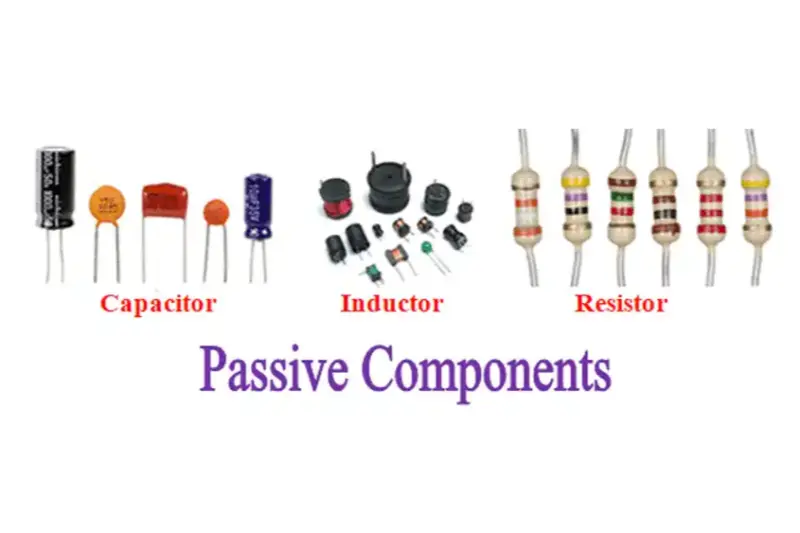
Passive components, including resistors, capacitors, inductors, transformers, filters, and other related devices, do not generate energy or provide signal amplification. Instead, they manage electrical energy, control current flow, stabilize voltage, reduce noise, and maintain signal integrity within electronic systems. Although they may appear simple compared with complex integrated circuits, passive components are essential building blocks for almost every modern electronic product.
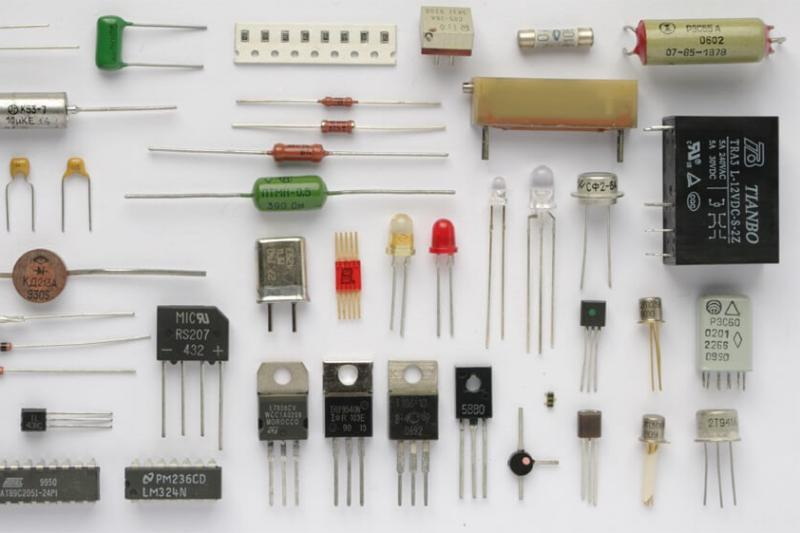
As industries continue moving toward smarter, smaller, and more connected devices, the importance of passive components has increased significantly. Consumer electronics, automotive systems, industrial automation equipment, medical devices, communication infrastructure, and artificial intelligence hardware all depend on reliable passive components to achieve stable performance.
The rapid growth of advanced electronics has created increasing demand for high-performance passive components. Modern electronic products require components that can provide higher efficiency while occupying less physical space. This trend has encouraged manufacturers to develop smaller, more precise, and more reliable solutions, including advanced multilayer ceramic capacitors (MLCCs), compact inductors, high-frequency filters, and precision resistors.
Multilayer ceramic capacitors have become one of the most important passive components in modern electronics. They are widely used for power management, signal filtering, and noise suppression because of their excellent stability and high-frequency performance. Smartphones, laptops, wearable devices, automotive control units, and industrial equipment may contain hundreds or even thousands of MLCCs to support different electrical functions.
Inductors also play a critical role in modern power systems. They are widely used in power conversion circuits, wireless communication systems, and electromagnetic interference control. With the increasing demand for efficient power management in electric vehicles and AI computing platforms, advanced inductors with improved energy handling capabilities are becoming increasingly important.
The automotive industry has become one of the major drivers of innovation in passive component technology. Modern vehicles are no longer only mechanical systems; they have evolved into highly electronic platforms equipped with advanced sensors, communication modules, battery management systems, and autonomous driving technologies.
Electric vehicles require large numbers of reliable passive components to support power conversion, charging systems, and electronic control units. Compared with consumer electronics, automotive applications require much higher reliability because components must operate under extreme conditions, including temperature changes, vibration, and long-term usage.
For example, battery management systems in electric vehicles rely on precise resistors, capacitors, and inductors to monitor and control power flow. Advanced driver assistance systems also require high-performance passive components to ensure accurate signal processing and communication between sensors and control modules.
The expansion of artificial intelligence and high-performance computing is creating another important market opportunity for passive components. AI servers and data centers consume significant amounts of power and require highly stable power delivery systems. Advanced processors require precise voltage control and effective noise reduction to maintain performance and prevent system failures.
In these applications, passive components work together with semiconductor devices and voltage regulators to provide clean and stable power. Even the most advanced AI processors cannot operate effectively without properly designed passive component networks.
However, the passive component industry also faces several challenges. Global supply chain disruptions, increasing raw material costs, and growing demand from multiple industries have created pressure on component availability. The electronics industry has experienced periods of component shortages, highlighting the importance of supply chain planning and supplier diversification.
For hardware developers, selecting passive components is not simply a purchasing decision. Component selection directly affects product performance, manufacturing efficiency, cost control, and long-term reliability. Engineers must consider multiple factors, including electrical specifications, environmental conditions, supplier capability, production availability, and lifecycle support.
Early cooperation between engineering teams, manufacturers, and component suppliers can help companies avoid redesign risks and improve product development efficiency. During the prototype stage, engineers need to evaluate whether selected components can support future mass production requirements.
Another important trend in the passive component industry is miniaturization. As wearable devices, IoT products, and portable electronics become smaller, manufacturers need components that deliver high performance within limited spaces. Advanced packaging technologies and new material solutions are helping achieve higher component density without compromising reliability.
At the same time, emerging technologies such as 5G communication, autonomous vehicles, renewable energy systems, and industrial IoT are creating new requirements for passive components. Higher frequencies, greater power efficiency, and improved durability will continue shaping future component development.
The future of passive components will focus on three key directions: smaller size, higher performance, and stronger reliability. Manufacturers are investing in advanced production technologies and material research to meet the changing needs of the electronics industry.
Although passive components may not receive the same attention as processors or AI chips, they remain one of the most important foundations of modern electronics. Every smart device, connected system, and advanced hardware platform depends on these essential components to function properly.
For companies developing new electronic products, understanding passive component technology and selecting the right components at the early design stage will become increasingly important. As electronics continue to advance, passive components will continue playing a critical role in enabling innovation across industries.
Post time: Sep-20-2026