



The rapid development of digital technologies, Internet of Things (IoT), artificial intelligence, and cloud computing is transforming the way industries monitor, manage, and control critical assets. Remote Monitoring and Control Systems are becoming increasingly important across sectors such as renewable energy, industrial automation, agriculture, smart infrastructure, and commercial facilities. These advanced systems enable operators to collect real-time data, analyze operational conditions, and make intelligent decisions without requiring physical access to equipment locations.
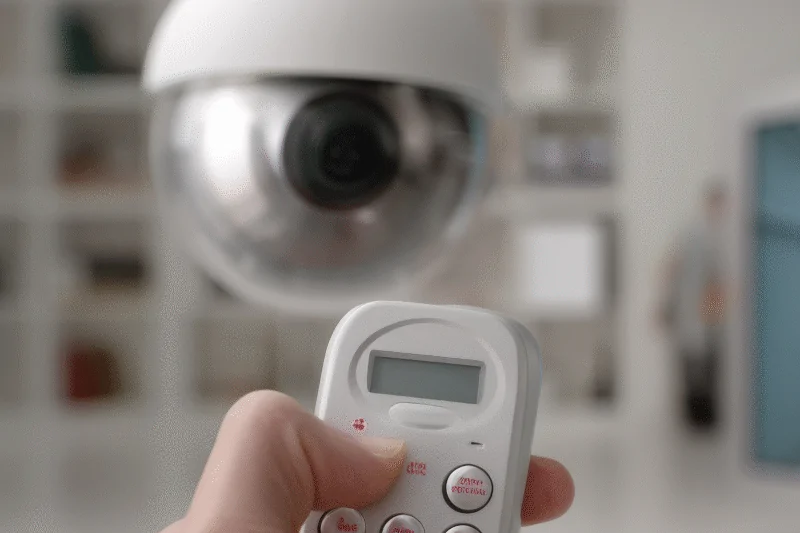
In recent years, the demand for remote monitoring solutions has grown significantly due to the increasing complexity of modern infrastructure and the need for higher operational efficiency. Traditional monitoring methods often require manual inspections, on-site measurements, and periodic maintenance checks. While these approaches can still be effective in certain applications, they are time-consuming, costly, and unable to provide continuous visibility into system performance. Remote Monitoring and Control Systems address these challenges by creating a connected environment where devices, sensors, communication networks, and management platforms work together seamlessly.
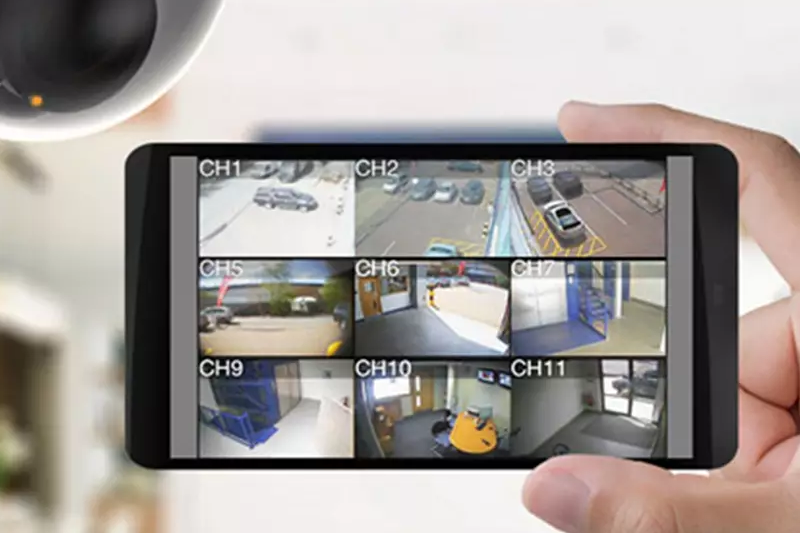
A typical remote monitoring and control solution consists of multiple hardware and software components, including sensors, embedded controllers, communication modules, cloud platforms, and user interfaces. Sensors installed on equipment collect important operational information such as temperature, voltage, current, pressure, humidity, vibration, energy consumption, and environmental conditions. This data is transmitted through communication technologies such as Wi-Fi, Ethernet, 4G/5G, LoRaWAN, NB-IoT, or other industrial communication protocols to centralized monitoring platforms.
One of the key advantages of remote monitoring systems is their ability to provide real-time visibility into equipment performance. Operators can access system information through computers, tablets, or mobile applications from virtually anywhere. This capability is particularly valuable for industries with distributed assets, such as solar farms, smart factories, water treatment facilities, and remote infrastructure installations. Instead of sending technicians to inspect equipment manually, companies can identify potential issues remotely and take preventive actions before failures occur.
The integration of intelligent control functions further enhances the value of these systems. Modern remote monitoring platforms are no longer limited to data collection. They can also execute automated commands based on predefined rules or artificial intelligence algorithms. For example, a smart energy management system can automatically adjust power distribution based on demand patterns, while an industrial control system can modify equipment parameters to maintain optimal performance.
The renewable energy sector is one of the major industries benefiting from remote monitoring and control technologies. Solar power installations, in particular, require continuous monitoring to ensure maximum energy generation and system reliability. Solar panels are often deployed in large-scale projects located in remote areas, making traditional inspection methods inefficient. Remote monitoring systems allow operators to track power output, detect abnormal conditions, identify equipment failures, and optimize maintenance schedules.
In addition to energy applications, remote monitoring solutions are playing an important role in smart manufacturing. Industrial companies are adopting connected monitoring systems to improve production efficiency, reduce downtime, and enhance quality control. By collecting operational data from machines and production lines, manufacturers can analyze performance trends and implement predictive maintenance strategies.
Another important development is the combination of remote monitoring systems with artificial intelligence and machine learning. AI-powered platforms can analyze large volumes of operational data, identify patterns, and predict potential failures before they occur. This predictive capability allows organizations to move from reactive maintenance models toward proactive management strategies, reducing operational costs and improving equipment lifespan.
Security and reliability are also becoming critical considerations in the development of remote monitoring and control systems. As more devices become connected through the Internet, manufacturers and solution providers must ensure strong cybersecurity protection. Encryption, secure communication protocols, authentication mechanisms, and regular software updates are essential to protect sensitive data and prevent unauthorized access.
Hardware innovation is also contributing to the expansion of remote monitoring applications. Advances in low-power microcontrollers, wireless communication modules, sensor technology, and embedded system design are enabling smaller, more affordable, and more energy-efficient monitoring devices. These improvements make remote monitoring solutions accessible not only for large enterprises but also for small and medium-sized businesses.
The future development of remote monitoring and control systems will be closely linked with emerging technologies such as edge computing, 5G connectivity, digital twins, and artificial intelligence. Edge computing allows data processing closer to the source, reducing communication delays and improving system responsiveness. Digital twin technology creates virtual representations of physical systems, allowing operators to simulate performance and optimize operations.
As industries continue to pursue automation, sustainability, and operational excellence, remote monitoring and control systems will become an essential part of modern infrastructure. These solutions provide organizations with greater visibility, improved efficiency, and smarter decision-making capabilities. From renewable energy management to industrial automation and smart cities, remote monitoring technology is helping create a more connected, efficient, and intelligent future.
Post time: Aug-01-2026