



Remote Weather Sensors are becoming a critical component in modern agriculture, enabling farmers to access hyperlocal climate data that improves decision-making and reduces environmental risks. Unlike traditional weather stations that provide regional forecasts, remote sensors deliver highly localized environmental readings directly from agricultural fields.
These systems typically measure temperature, humidity, rainfall, wind speed, soil moisture, atmospheric pressure, and solar radiation. By deploying a network of distributed sensors across farmland, farmers can gain a granular understanding of microclimates within their fields.
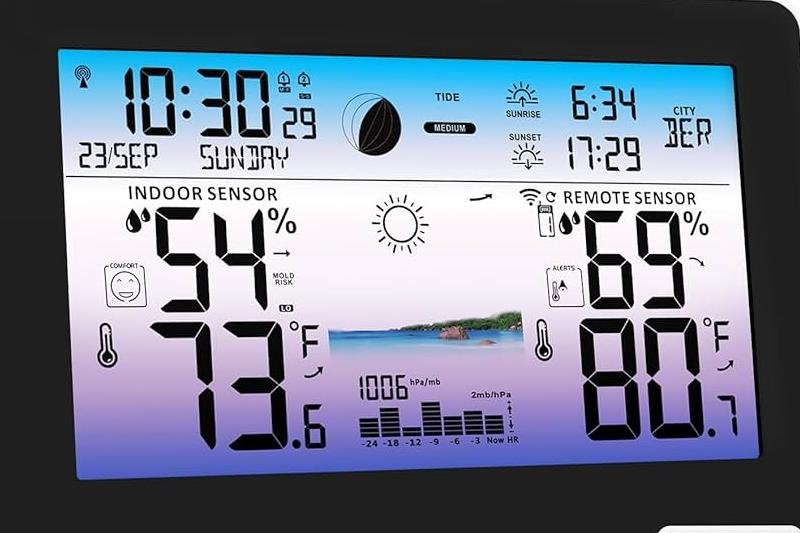
One of the most impactful applications of remote weather sensors is irrigation optimization. By combining soil moisture data with rainfall predictions, farmers can determine exactly when and how much to irrigate. This not only conserves water but also prevents over-irrigation, which can damage crops and reduce soil quality.
Remote weather sensors also play a crucial role in pest and disease prevention. Many agricultural pests and fungal diseases thrive under specific humidity and temperature conditions. By monitoring these parameters in real time, farmers can anticipate outbreaks and take preventive measures before they spread.
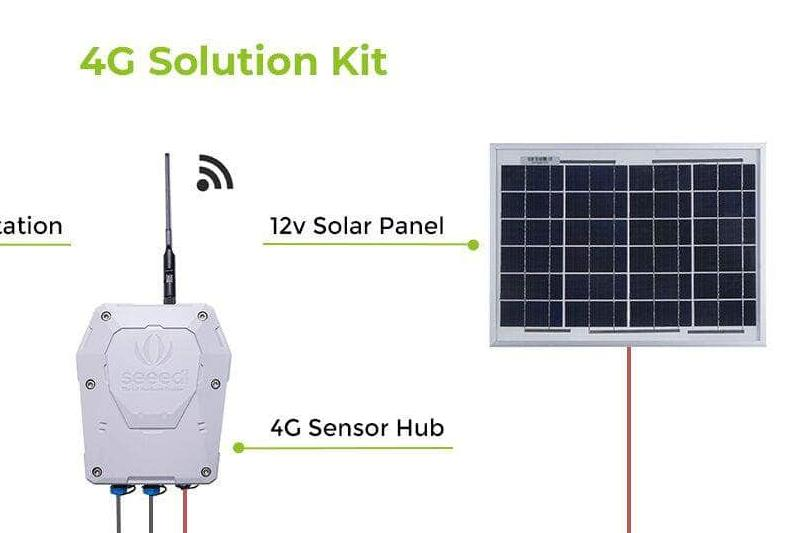
Modern weather sensor networks are powered by IoT communication protocols such as LoRa, Zigbee, and cellular IoT. These technologies allow sensors to transmit data over long distances with minimal energy consumption, making them ideal for remote rural environments.
Data collected from weather sensors is often integrated into predictive analytics platforms. These systems use machine learning models to forecast weather patterns at the micro-level, providing farmers with actionable insights such as frost warnings, drought risk alerts, and storm impact predictions.
In large agricultural enterprises, remote weather sensors are combined with satellite imagery and drone surveillance to create comprehensive climate intelligence systems. This multi-source data fusion enables highly accurate forecasting and risk management strategies.
The use of remote weather sensors is also expanding into greenhouse farming and vertical agriculture, where precise environmental control is essential for maximizing yield quality and consistency.
As climate change continues to impact global agriculture, the importance of real-time environmental monitoring will only increase. Remote weather sensors are positioned to become a foundational technology for climate-resilient farming systems.
Post time: Jul-06-2026