



In an era of increasing concern over home and business security, smart cameras have emerged as a pivotal technology for surveillance and situational awareness. Unlike conventional cameras, smart cameras incorporate connectivity, artificial intelligence, and cloud integration, offering proactive security monitoring rather than mere recording. These devices are deployed in residential, commercial, and public settings, enabling users to access live video feeds, review past footage, and receive intelligent alerts in real time.
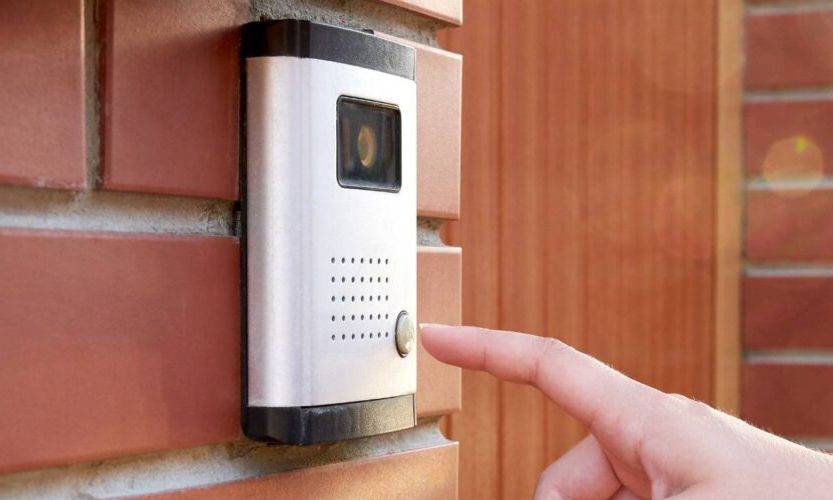
Smart cameras employ a variety of sensing technologies, including HD video capture, infrared night vision, and motion detection. AI-powered analytics further enhance their capabilities, allowing the system to identify human activity, differentiate between people, animals, and vehicles, and even detect unusual behavior. Cloud integration enables storage, remote access, and secure sharing, while on-device processing reduces latency and ensures continued functionality even when network connectivity is limited.
Integration with broader smart home ecosystems amplifies the value of smart cameras. For instance, pairing cameras with smart locks, lights, or alarms allows automated responses such as turning on lights when motion is detected or locking doors when unusual activity is observed. Voice assistant compatibility adds another layer of convenience, allowing users to control cameras via commands or receive summaries of activity in their home.
Consumer demand is rising sharply. According to market research, the global smart camera market is projected to surpass $15 billion by 2030, fueled by the convergence of IoT technology, cloud services, and the increasing emphasis on home and business security. Manufacturers such as Arlo, Ring, Nest, and Hikvision are innovating with AI analytics, advanced optical systems, multi-sensor arrays, and hybrid storage options. Startups are exploring niche applications, including wildlife monitoring, elderly care, and industrial inspection, expanding the market beyond traditional security use cases.
Privacy and security are paramount. Companies implement end-to-end encryption, secure user authentication, and compliance with regional data protection regulations to safeguard sensitive footage. Consumers are increasingly aware of cybersecurity risks, and manufacturers are responding with transparent policies and frequent firmware updates.
In summary, smart cameras have evolved from passive recording devices into intelligent, connected security hubs. By combining advanced optics, AI analytics, and IoT connectivity, they provide actionable insights, proactive alerts, and seamless integration with smart home and enterprise systems. As technology advances and adoption grows, smart cameras are set to remain a cornerstone of modern security solutions.
Post time: Jan-27-2026