



The front door is the first line of defense in home security, and smart doorbells are reshaping how homeowners monitor and control access. Combining video surveillance, two-way audio communication, motion detection, and cloud storage, these devices have become indispensable for those seeking both security and convenience. Unlike traditional doorbells, smart doorbells provide real-time notifications to smartphones or tablets, allowing residents to see and communicate with visitors without opening the door.
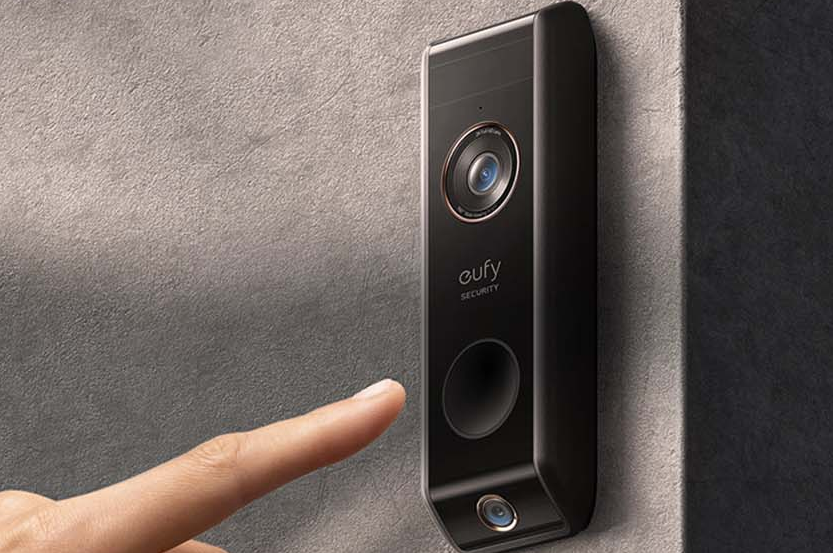
Modern smart doorbells leverage high-definition cameras, night vision, and wide-angle lenses to capture detailed imagery even in low-light conditions. Advanced models employ AI-based motion detection and facial recognition algorithms to differentiate between humans, pets, and vehicles, reducing false alerts and enhancing actionable insights. Cloud storage integration ensures that recorded footage is safely backed up, accessible from anywhere, and can be shared with authorities in the event of suspicious activity.
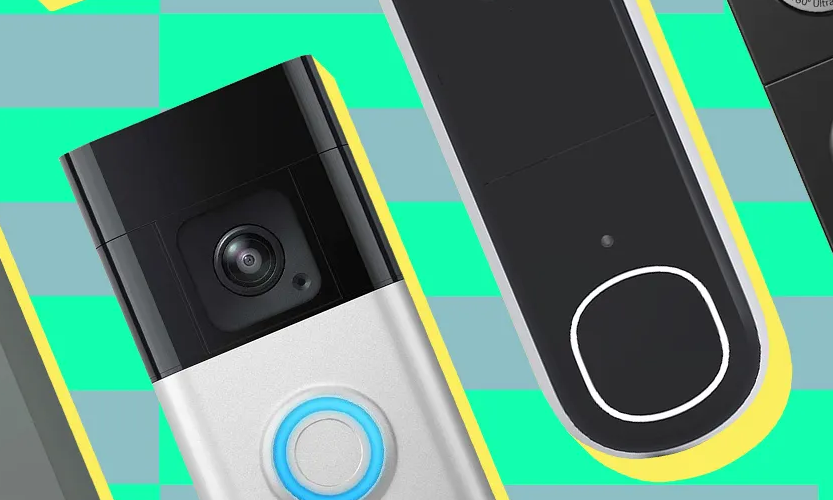
Privacy and cybersecurity are key considerations for consumers. Leading smart doorbell manufacturers implement end-to-end encryption, secure user authentication, and regular firmware updates to prevent unauthorized access. Some devices also allow users to control the level of data storage, choose local versus cloud recording, and manage permissions for multiple users within a household.
Smart doorbells have witnessed rapid adoption due to their ability to integrate with other smart home devices. For example, linking a smart doorbell with a home assistant allows automated lighting when someone approaches the door or triggers a security system if an unrecognized visitor is detected. The functionality extends beyond security: delivery personnel can leave packages safely, guests can check in remotely, and homeowners can maintain a digital visitor log effortlessly.
Market analysts estimate that the global smart doorbell market will exceed $2 billion by 2030, reflecting the increasing demand for connected home security solutions. Brands such as Ring, Nest, and Arlo are continuously refining their products with features like AI-driven visitor alerts, battery-free options, and seamless integration with other smart devices.
In conclusion, smart doorbells are no longer simple doorbells; they represent a convergence of security, convenience, and connectivity. By providing enhanced awareness, remote communication, and automated responses, smart doorbells are becoming essential in the modern home, redefining safety standards and empowering residents to manage entry points with unprecedented control.
Post time: Jan-29-2026