



The livestock industry is undergoing a remarkable digital transformation as farmers and agricultural enterprises increasingly adopt intelligent technologies to improve productivity, enhance animal welfare, and strengthen operational efficiency. Among these innovations, livestock tracking devices have emerged as one of the most valuable tools in precision agriculture. Once used primarily for basic identification, modern tracking devices now integrate satellite positioning, wireless communication, environmental sensing, and cloud-based analytics to provide farmers with continuous visibility into the location, health, and behavior of individual animals. As global demand for meat and dairy products continues to rise while labor shortages and environmental challenges intensify, intelligent livestock monitoring is becoming an essential component of sustainable farming.
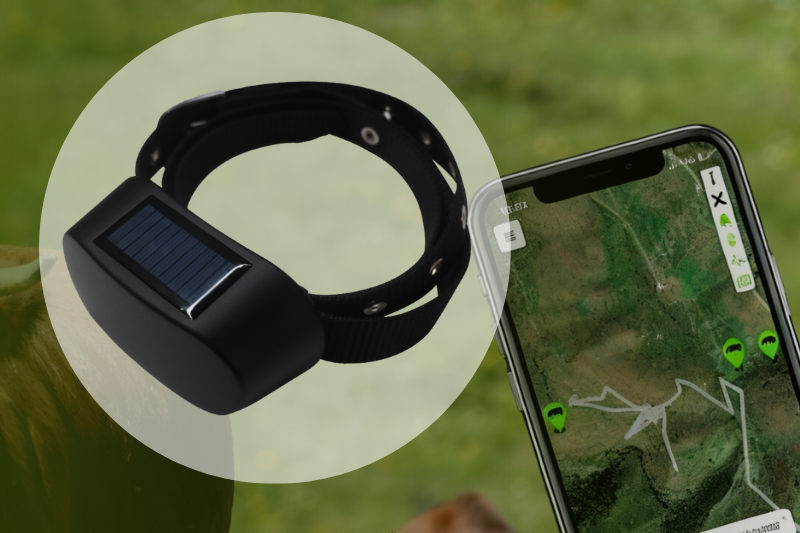
Location tracking remains one of the primary functions of modern livestock monitoring systems. Animals grazing across extensive pastures can easily become separated from the herd or wander beyond designated boundaries, creating financial losses and safety concerns. GPS-enabled livestock trackers provide accurate positioning data throughout the day, enabling farmers to locate missing animals quickly while establishing virtual geofences that automatically generate alerts whenever livestock leave predefined areas. This capability is particularly valuable for cattle ranches operating across thousands of hectares, where traditional monitoring methods often require significant labor and time. By maintaining continuous visibility of animal movements, producers improve herd security while reducing the risk of theft, predation, and accidental loss.
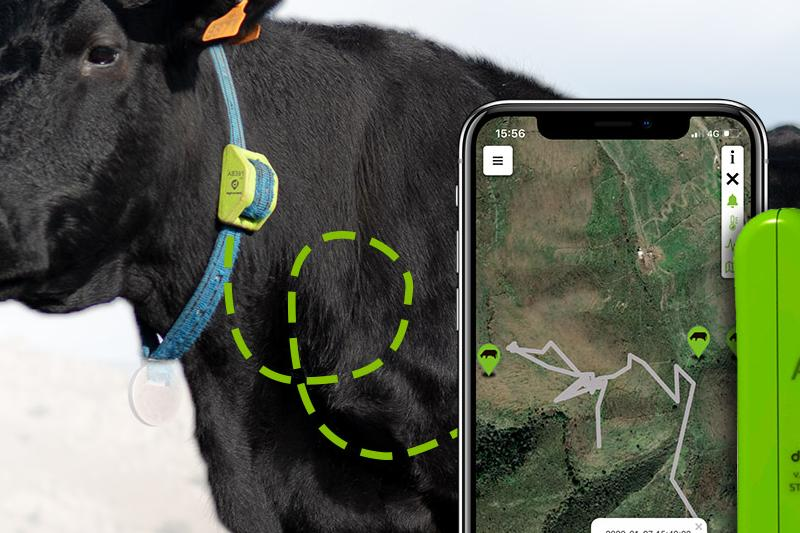
Beyond location monitoring, smart livestock tracking devices are increasingly capable of collecting valuable physiological and behavioral data. Integrated accelerometers, temperature sensors, motion detectors, and biometric monitoring technologies enable continuous observation of feeding activity, walking patterns, resting behavior, rumination, and body temperature. Artificial intelligence algorithms analyze these data streams to identify abnormal behavior that may indicate illness, injury, stress, or reproductive activity before visible symptoms appear. Early disease detection allows farmers to isolate affected animals promptly, reducing treatment costs while minimizing the spread of infectious diseases throughout the herd. Similarly, automated estrus detection helps producers optimize breeding schedules and improve reproductive efficiency without relying solely on manual observation.
Animal welfare has become an increasingly important consideration for both consumers and regulatory authorities worldwide. Modern livestock tracking technologies support higher welfare standards by providing objective data that demonstrates appropriate animal management practices. Farmers can verify that animals receive sufficient movement, access to grazing areas, and suitable environmental conditions throughout their lifecycle. Continuous monitoring also enables rapid intervention during periods of extreme weather, helping producers relocate animals or adjust feeding strategies before health problems develop. As consumer awareness regarding food safety and ethical farming practices continues to increase, transparent monitoring systems strengthen public confidence while helping producers meet evolving certification requirements and international quality standards.
Supply chain traceability represents another major advantage offered by intelligent livestock tracking systems. Food manufacturers, retailers, and government agencies increasingly require detailed documentation regarding the origin, movement, and health status of livestock entering the food production chain. Digital identification systems supported by GPS tracking and cloud databases create comprehensive records throughout an animal’s life, from birth to processing. These digital records improve disease control, simplify regulatory compliance, and increase consumer confidence by enabling rapid product traceability whenever quality concerns arise. In export markets where traceability standards continue to become more stringent, advanced livestock monitoring solutions provide producers with a significant competitive advantage.
The integration of Internet of Things technologies has further expanded the capabilities of livestock tracking platforms. Rather than operating as standalone devices, modern monitoring systems communicate with weather stations, smart feeding equipment, automated water systems, surveillance cameras, and environmental sensors to create fully connected digital farms. Artificial intelligence analyzes information collected from multiple sources to generate management recommendations that improve feeding efficiency, optimize grazing schedules, reduce water consumption, and increase overall productivity. Predictive analytics can also forecast disease outbreaks, estimate feed requirements, and identify operational inefficiencies before they significantly impact production. These integrated systems enable farmers to make informed management decisions based on accurate, real-time information rather than periodic manual observations.
Power efficiency has become another important area of technological innovation. Because livestock often remain outdoors for extended periods, manufacturers continue developing ultra-low-power electronics capable of operating for several years without battery replacement. Solar-assisted charging technologies, energy-efficient communication protocols, and intelligent sleep modes further extend operating life while reducing maintenance requirements. Rugged waterproof enclosures protect electronic components from mud, moisture, extreme temperatures, and physical impacts commonly encountered in agricultural environments. These durability improvements make modern livestock tracking devices suitable for year-round deployment across diverse farming conditions worldwide.
Looking toward the future, livestock tracking technology is expected to become even more intelligent as artificial intelligence, satellite communication, edge computing, and machine learning continue to evolve. Future systems may automatically predict disease outbreaks, optimize breeding programs, estimate livestock weight through computer vision, and integrate drone surveillance for large-scale pasture management. As global agriculture increasingly focuses on sustainability, resource efficiency, and food security, intelligent livestock monitoring will play a central role in helping producers achieve higher productivity while reducing environmental impact. By combining continuous location tracking with advanced health monitoring and predictive analytics, smart livestock tracking devices are reshaping animal farming and establishing a new standard for precision agriculture in the digital era.
Post time: Jun-27-2026