



Smart meters are redefining how electricity, water, and gas consumption is measured, tracked, and billed. Unlike traditional meters that require manual readings and provide limited feedback, smart meters use digital communication networks to transmit near real-time usage data to utilities and customers alike.
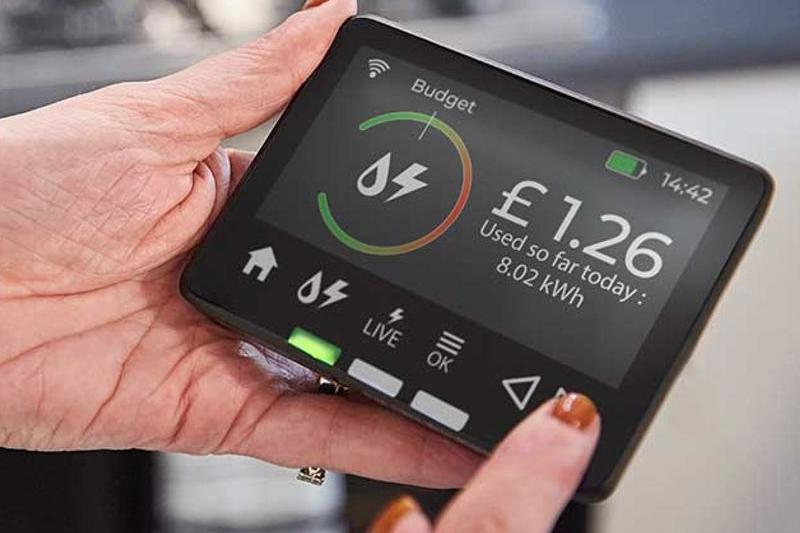
This technological leap has profound implications for energy efficiency, grid stability, and consumer empowerment. By delivering detailed consumption patterns on an hourly or even minute-by-minute basis, smart meters enable utilities to balance loads, anticipate peak demand, and minimize outages. For households, this translates into greater transparency and opportunities for cost savings.
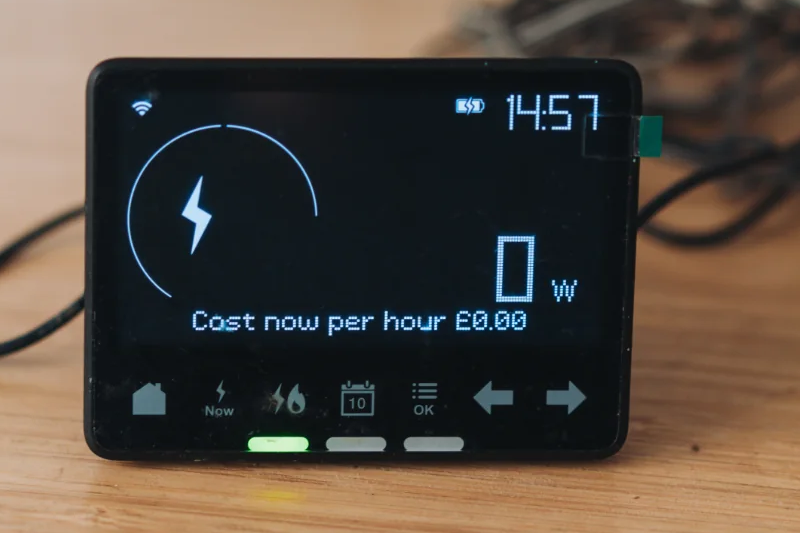
Globally, governments and utilities are accelerating smart meter rollout initiatives. In Europe and Asia, national mandates and subsidies have dramatically increased deployment rates, while in North America, utilities are undertaking multi year programs to replace aging mechanical meters with smart alternatives.
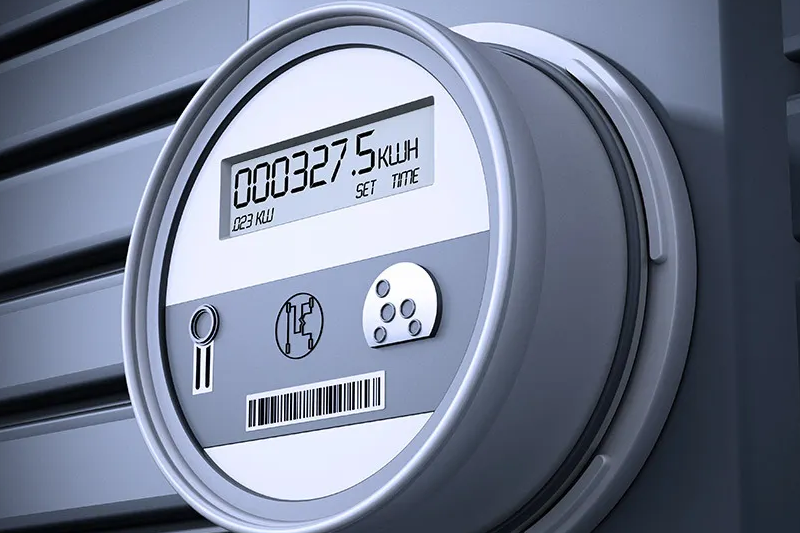
One of the most significant advantages of smart meters is their ability to support dynamic pricing models. Time-of-use rates—where electricity costs vary throughout the day—encourage consumers to shift usage to off-peak hours. Smart meters make this possible by providing accurate, granular data, which in turn helps households lower bills through behavioral adjustments.
Smart meter integration with home automation and energy monitoring systems further enhances value. When paired with connected thermostats and appliances, smart meters can signal devices to adjust operation during high demand periods—reducing strain on the grid and lowering overall household costs without sacrificing comfort.
Security and privacy have been key concerns throughout smart meter adoption. Because these devices communicate usage data over wireless networks, utilities and manufacturers have implemented advanced encryption, access controls, and robust firmware safeguards to protect against unauthorized access.
Smart meters also play a critical role in supporting renewable energy and grid modernization. With more households installing solar panels and storage systems, smart meters provide essential bi-directional measurement capabilities—tracking both consumption and energy fed back into the grid.
Environmental advocates point to smart meters as catalysts for reduced emissions, citing their ability to promote energy awareness and efficiency across communities. Combined with incentive programs, real-time feedback has encouraged widespread participation in conservation efforts.
As utility infrastructures evolve, smart meters are becoming foundational elements of a smarter, more resilient energy landscape. Their deployment reflects a broader shift toward digital transformation in public services, empowering consumers with information while enabling utilities to operate more sustainably and responsively.
Post time: Mar-10-2026