



Smart plugs have become a popular and affordable entry point into the smart home ecosystem, enabling consumers to convert traditional electrical devices into smart, connected devices. The global smart plug market is experiencing strong growth, with Statista forecasting a market volume of 195.6 million units by 2027, up from 72.3 million units in 2022. This growth is driven by the increasing affordability of smart plugs, rising consumer interest in home automation, and the growing need for energy management and remote control of household devices.
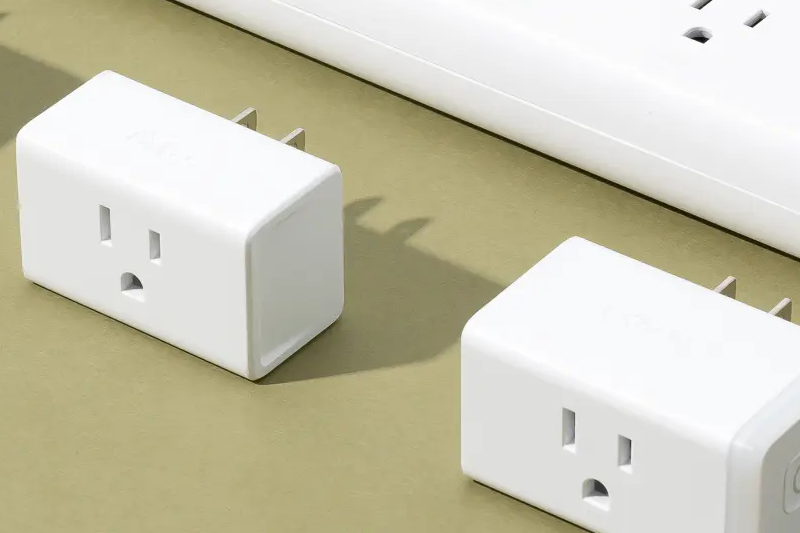
Smart plugs offer a simple and cost-effective way to upgrade traditional devices such as lamps, heaters, coffee makers, and fans, allowing users to control them remotely via smartphones, voice commands, or scheduled timers. Leading manufacturers such as Belkin, TP-Link, and Wemo are offering a wide range of smart plug models with varying features, including energy monitoring, surge protection, and compatibility with major smart home platforms. For example, Belkin’s Wemo Mini Smart Plug is compact in design, making it suitable for use in tight spaces, and supports voice control via Amazon Alexa, Google Assistant, and Apple Siri. It also offers energy monitoring capabilities, enabling users to track the power consumption of connected devices and make informed decisions about energy usage.
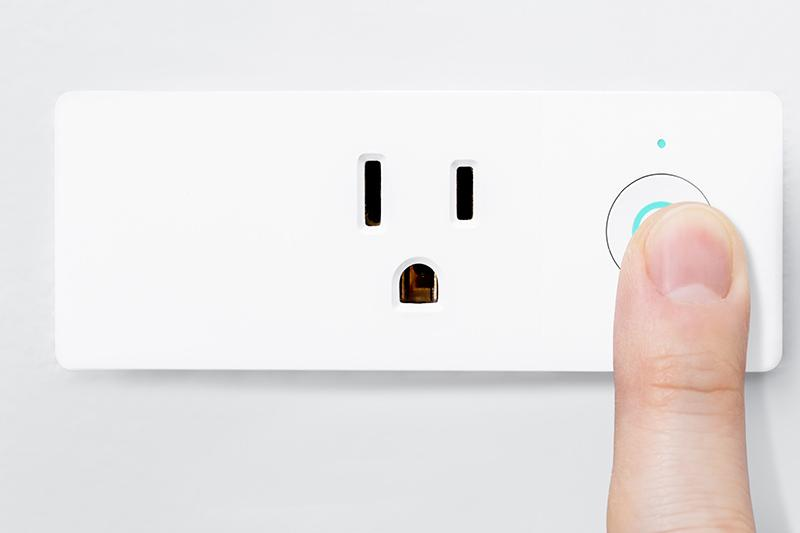
Energy management is a key feature driving the adoption of smart plugs. By providing real-time energy usage data and allowing users to set schedules for their devices, smart plugs help reduce energy waste and lower utility bills. For instance, users can schedule their coffee makers to turn on just before they wake up and turn off automatically after they leave for work, ensuring that devices are not left on unnecessarily. A survey conducted by Energy Star found that households using smart plugs can save up to $100 per year on their electricity bills by optimizing the use of their electrical devices.
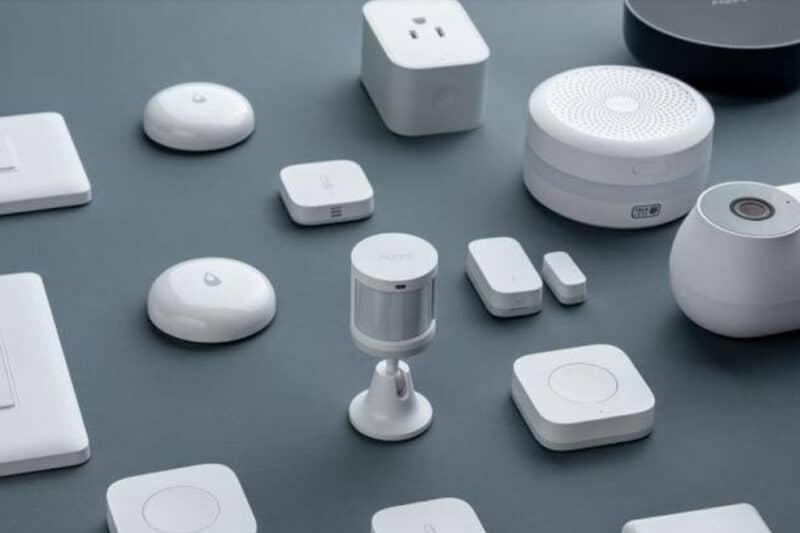
Connectivity and interoperability are critical factors in the success of smart plugs. Most modern smart plugs support Wi-Fi connectivity, making them easy to install and compatible with most home networks. They also integrate seamlessly with major smart home platforms, allowing users to control multiple devices from a single app and create custom automation scenes. For example, users can set up a “Good Night” scene that turns off all connected devices with a single voice command or tap on their smartphone. Additionally, the adoption of the Matter standard is improving interoperability between smart plugs and devices from different manufacturers, ensuring a more seamless and consistent user experience.
The commercial sector is also recognizing the benefits of smart plugs, with applications in small businesses, offices, and retail stores. Small businesses are using smart plugs to control and monitor the use of equipment such as printers, copiers, and refrigerators, reducing energy costs and improving operational efficiency. Retail stores are leveraging smart plugs to control display lighting and other devices, enhancing the shopping experience and reducing maintenance costs. As the smart home market continues to expand, smart plugs are expected to remain a popular choice for consumers looking to dip their toes into home automation, while also finding new applications in the commercial sector.
Post time: Jan-23-2026