



Smart switches have emerged as the cornerstone of home automation systems, offering consumers enhanced convenience, improved energy management, and seamless control over their home electrical devices. The global smart switch market is witnessing robust growth, with Market Research Future projecting a market size of $27.8 billion by 2030, growing at a CAGR of 18.5% during the forecast period. This growth is fueled by the increasing penetration of smart home devices, rising consumer awareness of energy conservation, and technological advancements in connectivity and sensor technology.
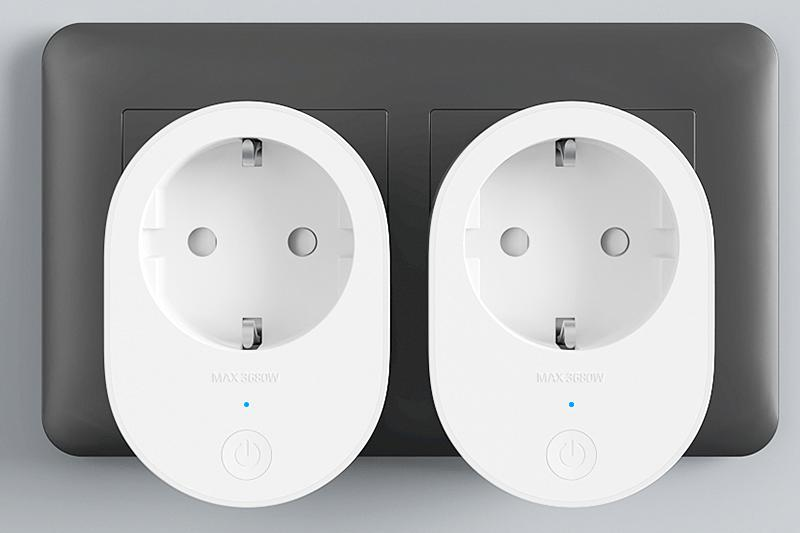
Unlike traditional switches, smart switches enable remote control, voice activation, and integration with other smart home devices, transforming the way users interact with their home electrical systems. Leading manufacturers such as TP-Link, Leviton, and Lutron are introducing innovative smart switch models with advanced features, including touchless operation, energy monitoring, and scene automation. For instance, TP-Link’s Kasa Smart Wi-Fi Switch supports voice control via Amazon Alexa and Google Assistant, allowing users to turn on/off lights, fans, and other devices with simple voice commands. It also offers real-time energy monitoring, enabling users to track power consumption and identify energy-hungry devices.
Energy management is a key value proposition of smart switches. By providing real-time energy usage data and enabling scheduled operation, smart switches help consumers reduce energy waste and lower their utility bills. A study by the National Renewable Energy Laboratory (NREL) found that households using smart switches can reduce their electricity consumption by up to 15% by optimizing the use of lighting and other electrical devices. Additionally, smart switches with load sensing capabilities can detect abnormal power consumption, alerting users to potential electrical faults and enhancing home safety.
Connectivity options for smart switches have expanded significantly in recent years, with models supporting Wi-Fi, Bluetooth, Zigbee, and Z-Wave protocols. Wi-Fi-enabled smart switches are particularly popular among consumers due to their ease of installation and compatibility with most home networks, eliminating the need for additional hubs. Zigbee and Z-Wave switches, on the other hand, offer better range and reliability, making them ideal for larger homes and complex smart home ecosystems. The integration of Matter, the new smart home connectivity standard, is further enhancing interoperability between smart switches and devices from different manufacturers, simplifying the smart home setup process for consumers.
The commercial sector is also adopting smart switches at a rapid pace, with applications in offices, hotels, and retail spaces. In offices, smart switches are used to automate lighting and HVAC systems, improving employee productivity and reducing energy costs. Hotels are leveraging smart switches to personalize guest experiences, allowing guests to control room lighting and other amenities via their smartphones or voice commands. As the demand for smart home automation continues to grow, smart switches are expected to play an increasingly important role in creating connected, energy-efficient, and secure living and working environments.
Post time: Jan-23-2026