



Soil moisture sensors are one of the most critical components of modern precision agriculture systems. These devices measure the volumetric water content in soil and provide real-time data that helps farmers optimize irrigation schedules, reduce water waste, and improve crop health.
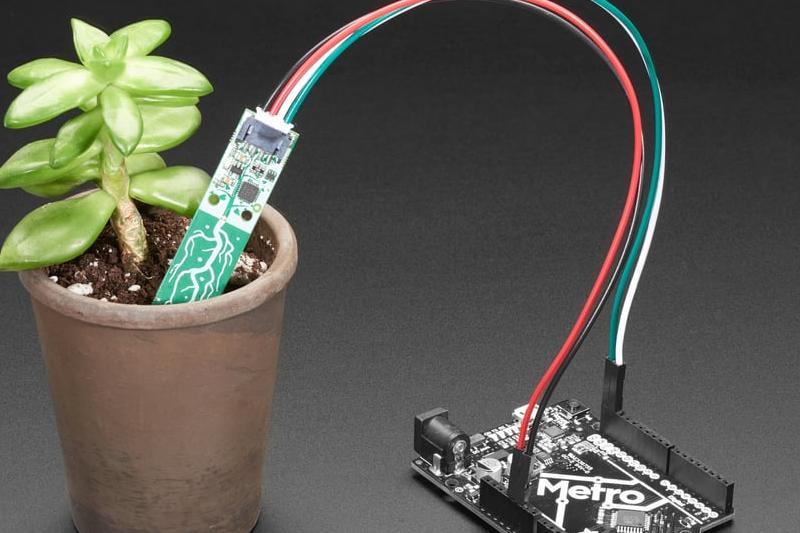
Water scarcity is one of the most pressing global challenges, particularly in agriculture, which accounts for approximately 70% of global freshwater usage. Soil moisture sensors directly address this issue by ensuring that irrigation is applied only when necessary and in the right quantity. This not only conserves water but also prevents over-irrigation, which can lead to root damage, nutrient leaching, and soil degradation.
Modern soil moisture sensors use various technologies, including capacitance, resistance, and time-domain reflectometry (TDR). Capacitance sensors are widely used due to their affordability and accuracy. They measure changes in dielectric constant caused by water content in the soil. TDR sensors, on the other hand, offer higher precision and are often used in research and large-scale commercial farming.
One of the most impactful applications of soil moisture sensors is in automated irrigation systems. When integrated with IoT platforms, these sensors can trigger irrigation systems automatically when soil moisture drops below a predefined threshold. This level of automation reduces labor costs and ensures consistent crop hydration.
In addition to irrigation control, soil moisture data is also used for crop modeling and yield prediction. By analyzing moisture patterns over time, farmers can better understand how different crops respond to environmental conditions. This data-driven approach helps in selecting optimal crop varieties for specific regions.
Another important benefit of soil moisture sensors is their role in climate-resilient agriculture. With increasing climate variability, rainfall patterns have become unpredictable. Soil sensors provide a reliable alternative source of information, allowing farmers to adapt irrigation strategies in real time.
Despite their advantages, soil moisture sensors face challenges related to calibration and soil variability. Different soil types—such as sandy, clay, or loamy soils—can affect sensor accuracy. Therefore, proper installation and regular calibration are essential for reliable performance.
The future of soil moisture sensing is moving toward wireless, low-power sensor networks that can cover large agricultural areas. Combined with satellite data and AI analytics, these systems will enable fully autonomous water management systems in smart farms.
Post time: Jun-18-2026