



The global transition toward renewable energy is accelerating at an unprecedented pace, with solar power becoming one of the most important solutions for reducing carbon emissions and improving energy security. As governments, enterprises, and consumers continue investing in clean energy infrastructure, the demand for more efficient, reliable, and intelligent solar solutions is increasing rapidly. At the center of this transformation are advanced solar panel devices, which are evolving from traditional photovoltaic modules into highly integrated energy-generation systems.
Solar panel devices have become a critical component in residential, commercial, industrial, and utility-scale renewable energy applications. With continuous improvements in photovoltaic technology, electronic integration, materials science, and manufacturing processes, modern solar devices are achieving higher energy conversion efficiency, improved durability, and smarter performance monitoring capabilities.
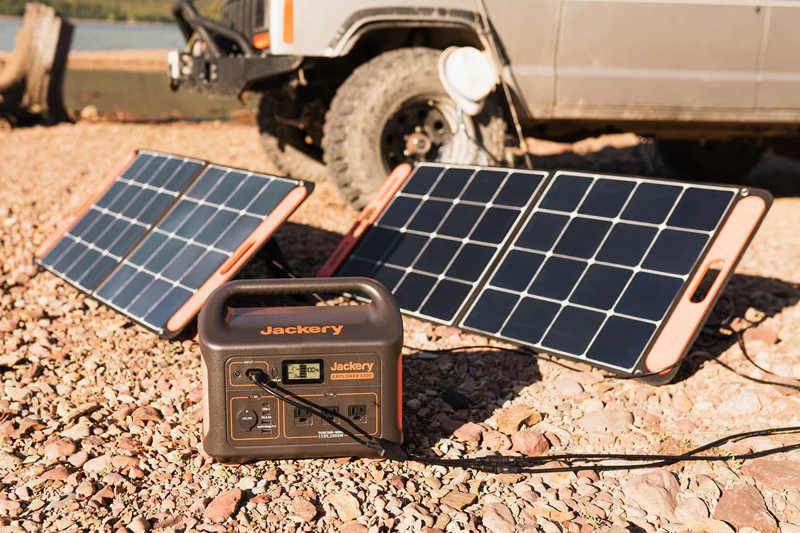
The development of next-generation solar panel devices is not only focused on increasing power output but also on creating intelligent, connected, and sustainable energy solutions that can adapt to changing energy demands.
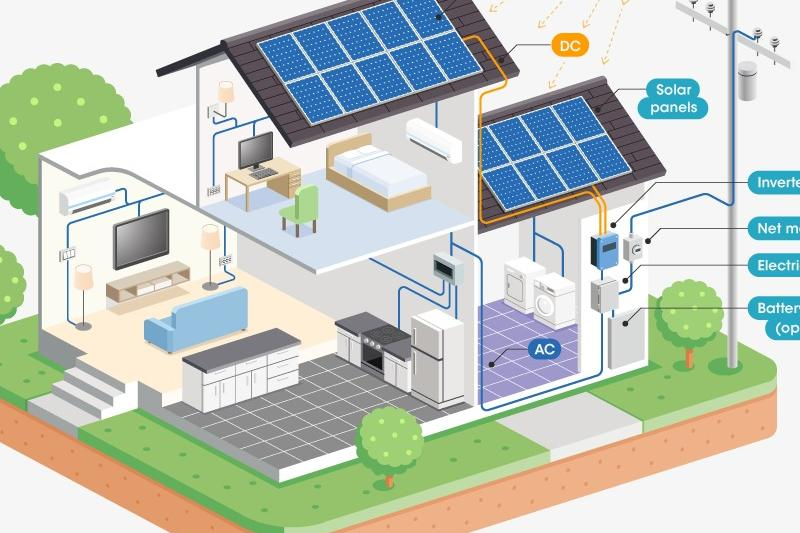
The global solar energy market has experienced significant growth in recent years. Rising electricity costs, environmental regulations, government incentives, and corporate sustainability goals are encouraging more organizations and individuals to adopt photovoltaic systems. According to industry forecasts, solar energy capacity will continue expanding as countries work toward renewable energy targets and carbon neutrality goals.
This market growth is creating new requirements for solar panel device manufacturers. Customers are no longer looking for basic power-generation equipment. Instead, they expect solutions that provide higher efficiency, longer service life, easier installation, remote monitoring capabilities, and seamless integration with smart energy systems.
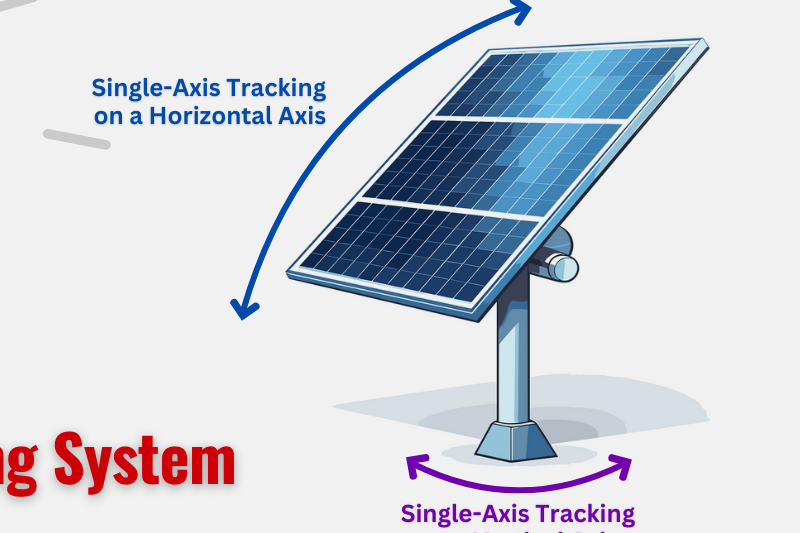
Modern solar panel devices combine advanced photovoltaic cells, protective materials, electronic components, and intelligent monitoring technologies. Unlike early-generation solar panels, today’s solutions are designed as complete energy platforms capable of delivering reliable performance under various environmental conditions.
One of the most important advancements in solar panel devices is photovoltaic cell technology. Traditional silicon-based solar cells have continued to improve through innovations such as PERC, TOPCon, and heterojunction technologies. These developments have significantly increased conversion efficiency while reducing energy losses.
TOPCon technology, for example, has become increasingly popular due to its excellent balance between performance and manufacturing scalability. It provides higher efficiency, better temperature performance, and improved long-term stability compared with previous generations of solar cells.
Meanwhile, emerging technologies such as perovskite solar cells are attracting significant attention from researchers and manufacturers. Their potential advantages include lightweight designs, flexible form factors, and higher theoretical efficiency. Although large-scale commercialization challenges remain, perovskite technology could create new opportunities for future solar panel device designs.
Beyond photovoltaic efficiency, intelligent features are becoming increasingly important in modern solar products. Many solar panel devices are now integrated with sensors, communication modules, and cloud-based monitoring platforms. These technologies allow users and operators to track energy production, identify performance issues, and optimize system operation.
The integration of Internet of Things (IoT) technologies is transforming solar devices into connected energy solutions. Through mobile applications and cloud platforms, users can monitor real-time electricity generation, system health, and environmental conditions. For large-scale solar installations, intelligent monitoring helps reduce maintenance costs and improve operational efficiency.
Durability is another critical factor in solar panel device development. Solar equipment is typically expected to operate for 25 years or longer while being exposed to challenging outdoor environments. Products must withstand extreme temperatures, ultraviolet radiation, humidity, heavy rain, wind, dust, and temperature cycling.
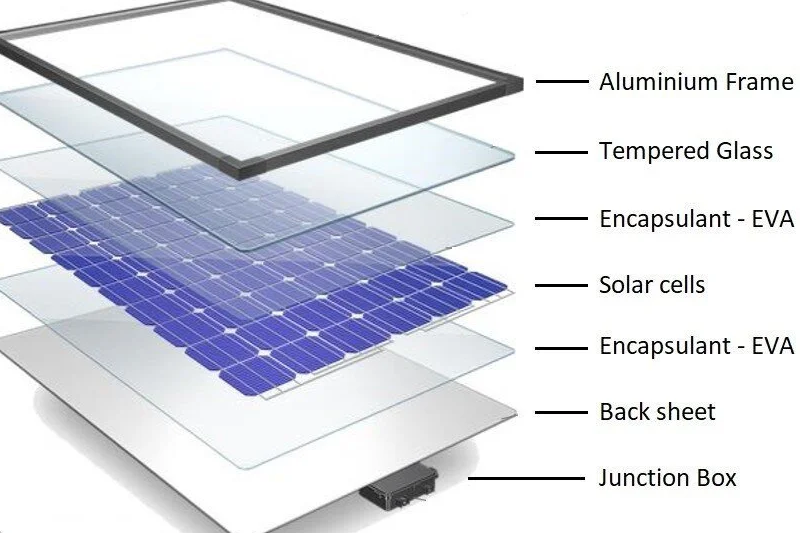
To achieve long-term reliability, manufacturers must carefully select materials and implement strict quality control processes. Protective glass, encapsulation materials, aluminum frames, junction boxes, connectors, and electronic components all play important roles in ensuring product performance.
Manufacturing capability has become a key competitive advantage in the solar industry. As solar technologies become more sophisticated, companies require manufacturing partners with experience in electronics integration, mechanical design, precision assembly, and quality management.
For companies developing customized solar panel devices, working with an experienced OEM/ODM manufacturer can significantly reduce development risks. A capable manufacturing partner can support the entire product lifecycle, including design optimization, engineering validation, prototype development, component sourcing, PCB assembly, enclosure manufacturing, testing, pilot production, and mass manufacturing.
Supply chain management is also becoming increasingly important as solar products involve multiple components and suppliers. Effective coordination of materials, production schedules, quality inspection, and logistics helps companies improve delivery reliability and respond quickly to market demand.
Another important trend in solar panel device development is the combination of solar generation with energy storage and smart energy management. As renewable energy adoption increases, users need more efficient ways to store and distribute electricity. Solar devices are increasingly being connected with batteries, smart inverters, electric vehicle charging systems, and energy management platforms.
This integrated approach creates a more flexible and intelligent energy ecosystem. Instead of simply generating electricity, future solar devices will actively participate in energy optimization, demand management, and grid interaction.
The future of solar panel devices will be shaped by continued innovation in materials, electronics, artificial intelligence, and manufacturing technologies. As solar energy becomes a larger part of the global power system, manufacturers will need to deliver products that are not only efficient but also intelligent, reliable, and cost-effective.
Companies entering the renewable energy market must consider both technological innovation and manufacturing execution. A strong product concept requires equally strong engineering and production capabilities to successfully reach commercial markets.
With the continued growth of clean energy adoption, solar panel devices will remain a key driver of the renewable energy revolution. Through advanced technology, intelligent integration, and reliable manufacturing solutions, the next generation of solar products will help create a more sustainable and energy-efficient future.
Post time: Jul-10-2026