



The rapid expansion of solar energy worldwide has created a growing demand for advanced technologies that can ensure photovoltaic systems operate at their highest possible efficiency. As solar installations become larger and more complex, Solar Panel Performance Analyzers are emerging as essential tools for monitoring, evaluating, and optimizing the performance of solar power systems. These intelligent solutions help operators identify performance issues, reduce maintenance costs, and maximize energy production throughout the entire lifecycle of photovoltaic assets.
Solar energy has become one of the most important renewable energy sources as governments, businesses, and consumers seek alternatives to traditional fossil fuels. However, installing solar panels alone does not guarantee maximum energy output. The actual performance of a photovoltaic system depends on many factors, including environmental conditions, equipment quality, installation accuracy, component aging, shading, temperature variations, and maintenance practices. Without proper monitoring and analysis, solar systems may experience reduced efficiency that remains unnoticed for long periods.
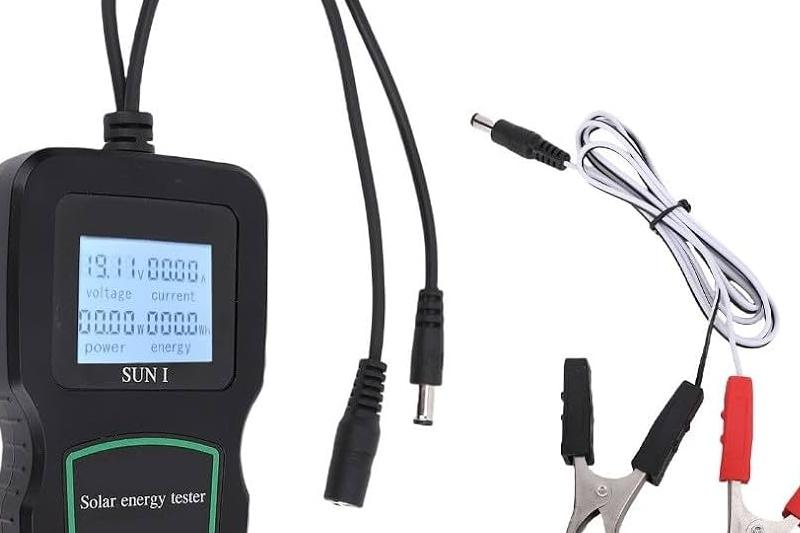
Solar Panel Performance Analyzers are designed to provide detailed insights into how solar panels and related equipment are performing. These systems collect operational data from photovoltaic modules, inverters, batteries, and other components to evaluate energy generation efficiency and identify potential problems. By analyzing key parameters such as voltage, current, power output, temperature, irradiance levels, and energy conversion efficiency, these devices provide a comprehensive view of system health.
One of the primary functions of a Solar Panel Performance Analyzer is detecting performance degradation. Solar panels are typically designed to operate for decades, but their efficiency gradually decreases over time due to factors such as material aging, environmental exposure, and repeated thermal stress. A small reduction in performance across thousands of panels can result in significant energy losses. Performance analysis tools allow operators to identify underperforming panels and take corrective actions before losses become substantial.
In large-scale solar farms, monitoring efficiency is particularly important. Utility-scale photovoltaic installations often cover large geographical areas with thousands or even millions of solar modules. Manual inspection of every panel is impractical and expensive. Solar Panel Performance Analyzers provide automated monitoring capabilities, allowing operators to quickly identify abnormal operating conditions and prioritize maintenance activities.
The integration of Internet of Things technology has significantly improved the capabilities of solar performance analysis systems. Modern analyzers can connect directly to solar equipment through wireless communication networks or industrial communication protocols. Data collected from multiple locations can be transmitted to cloud platforms, where operators can access real-time dashboards and performance reports.
Advanced Solar Panel Performance Analyzers are increasingly incorporating artificial intelligence and machine learning algorithms. These technologies enable systems to analyze large volumes of historical and real-time data to identify patterns and predict future performance issues. For example, AI-based analysis can detect unusual changes in power output that may indicate problems such as inverter faults, partial shading, connector failures, or panel damage.
Temperature management is another important factor monitored by solar performance analysis systems. Solar panels experience efficiency changes based on operating temperature, and excessive heat can reduce energy output and accelerate equipment aging. By monitoring temperature conditions across different areas of a solar installation, operators can identify hotspots and improve system design or maintenance strategies.
Environmental conditions also have a significant impact on photovoltaic performance. Dust accumulation, weather conditions, and seasonal changes can influence solar energy production. Solar Panel Performance Analyzers can compare expected energy output with actual performance based on environmental data, helping determine whether cleaning, repositioning, or other maintenance actions are required.
The technology is also becoming increasingly valuable for commercial and residential solar users. As rooftop solar systems become more common, homeowners and businesses want to ensure their investments continue delivering expected energy savings. Compact performance analysis devices provide users with transparent information about their solar system efficiency and help verify whether equipment is operating correctly.
Another important application is quality control during solar system installation and commissioning. Before a solar project becomes operational, engineers need to verify that panels, wiring, inverters, and other components are installed correctly. Performance analyzers can assist technicians by measuring electrical characteristics and identifying installation errors before the system enters long-term operation.
The development of more advanced sensors, embedded processors, and communication technologies is making Solar Panel Performance Analyzers more powerful and accessible. Modern devices can offer higher measurement accuracy while reducing size, power consumption, and installation complexity. Wireless connectivity options such as Wi-Fi, LoRaWAN, NB-IoT, and cellular networks allow monitoring systems to be deployed in various environments, including remote solar farms.
Cybersecurity is also becoming an increasingly important consideration as solar monitoring systems become connected to digital platforms. Protecting energy infrastructure from unauthorized access requires secure communication methods, encrypted data transmission, and reliable system management practices. Manufacturers are continuously improving security features to ensure safe operation of connected solar assets.
The future development of Solar Panel Performance Analyzers will be closely connected with smart energy management, artificial intelligence, and automated maintenance systems. As renewable energy networks become more decentralized and interconnected, accurate performance monitoring will be essential for maintaining grid stability and maximizing renewable energy utilization.
With global investment in solar energy continuing to grow, the importance of intelligent performance analysis will increase significantly. Solar Panel Performance Analyzers provide the visibility and intelligence required to transform solar installations from passive energy generators into actively managed, optimized energy systems. By improving efficiency, reducing downtime, and extending equipment lifespan, these technologies are helping accelerate the transition toward a more sustainable energy future.
Post time: Aug-01-2026