



In today’s highly competitive global electronics market, supply chain optimization has become a key factor in successful product development and manufacturing. As technology products become increasingly complex, companies need more than just a manufacturing supplier. They need a reliable partner that can manage sourcing, production coordination, quality control, and delivery processes efficiently. A well-optimized supply chain helps companies reduce operational risks, improve production efficiency, control costs, and accelerate the transition from product concept to market launch.

The traditional manufacturing model mainly focused on cost reduction and production capacity. However, recent changes in the global market have shown that flexibility and resilience are equally important. Challenges such as component shortages, material price fluctuations, transportation delays, and changing customer demands have increased the need for stronger supply chain management strategies. Companies that invest in supply chain optimization are better positioned to respond quickly to market changes and maintain stable production performance.
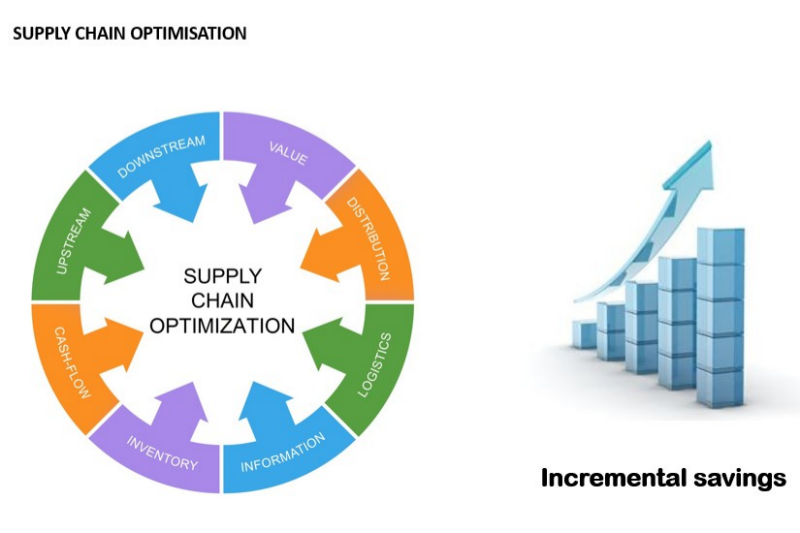
For electronic hardware products, supply chain management requires close coordination among multiple areas, including electronic components, PCB suppliers, mechanical parts, enclosure manufacturers, assembly facilities, testing laboratories, and logistics providers. A single product may involve hundreds of components and processes, meaning that any delay or quality issue from one supplier can affect the entire project timeline. Therefore, selecting reliable suppliers and establishing effective communication channels are essential parts of supply chain optimization.
At Minewing, supply chain optimization begins with a comprehensive understanding of each customer’s product requirements, development stage, production goals, and market expectations. Instead of applying a standard manufacturing approach, we develop customized supply chain solutions based on different product categories and production requirements. Whether it is a consumer electronic device, smart hardware product, industrial equipment, or IoT solution, each project requires careful planning of materials, suppliers, production processes, and quality control methods.
Supplier management is one of the most important aspects of building an efficient supply chain. A strong supplier network allows manufacturers to access reliable materials, maintain consistent quality, and improve production flexibility. When selecting suppliers, factors such as technical capability, manufacturing experience, quality certifications, production capacity, and delivery performance must be carefully evaluated. Through long-term cooperation with qualified suppliers, manufacturers can establish a stable ecosystem that supports both prototype development and mass production.
Another important element of supply chain optimization is improving visibility throughout the production process. Modern manufacturing requires real-time communication between customers, engineering teams, suppliers, and production facilities. Clear information sharing helps identify potential issues earlier and allows teams to make faster decisions. From material preparation and production scheduling to testing and shipment arrangement, better visibility creates a more predictable and efficient manufacturing process.
For companies developing new hardware products, flexibility is especially important. Product development usually involves several stages, including concept validation, engineering prototypes, pilot production, and full-scale manufacturing. Each stage has different supply chain requirements. During the prototype phase, companies often need fast sourcing and engineering support because product designs may continue to change. During mass production, priorities shift toward production stability, cost optimization, and consistent quality. An optimized supply chain enables manufacturers to support these different stages while maintaining efficiency.
In addition to improving efficiency, supply chain optimization also helps reduce manufacturing risks. A diversified supplier network provides greater flexibility and reduces dependence on a single source. By working with multiple qualified suppliers and maintaining alternative solutions for critical components, manufacturers can better manage unexpected disruptions and ensure production continuity. This approach is particularly important for global brands that need reliable manufacturing support across different markets.
Technology is also transforming the way companies manage supply chains. Digital manufacturing systems, production tracking platforms, and data-driven analysis tools allow manufacturers to monitor production progress, improve forecasting accuracy, and optimize inventory management. These technologies enable better collaboration between customers and manufacturing partners, creating a more transparent and responsive development process.
As a company specializing in custom electronics development and manufacturing, Minewing provides integrated solutions covering product design optimization, PCB/PCBA development, enclosure manufacturing, prototyping, testing, assembly, and mass production. By combining engineering expertise with supply chain management capabilities, we help customers overcome manufacturing challenges and bring innovative products to market more efficiently.
In the future, supply chain optimization will continue to play an important role in global manufacturing. Companies that build flexible, transparent, and resilient supply networks will have stronger advantages in responding to market changes and accelerating product innovation. Through strategic supplier management, advanced manufacturing processes, and close collaboration with customers, optimized supply chains can create long-term value throughout the entire product lifecycle.
Post time: Aug-14-2026