



Transparent covers have become an important design element across a wide range of modern products. They are used to protect displays, sensors, indicators, cameras, switches, internal mechanisms, and other components while allowing users to see or interact with what is underneath.
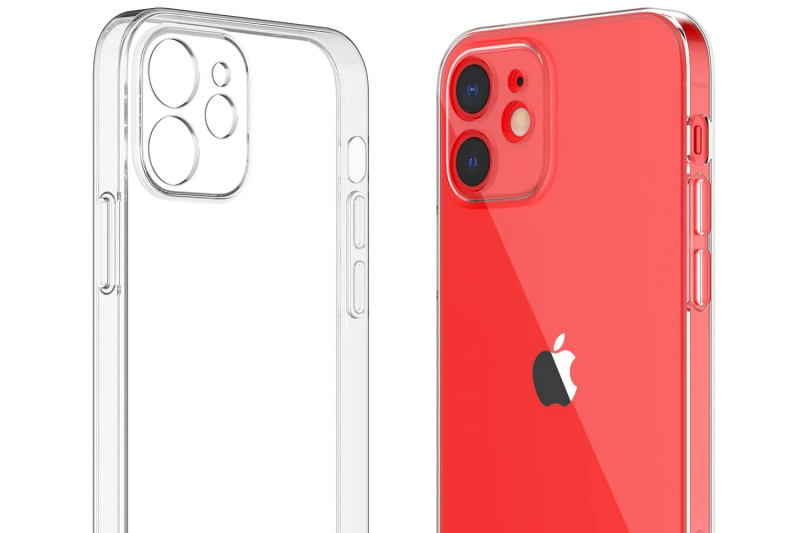
Although transparent covers may appear to be simple cosmetic components, their engineering requirements can be surprisingly complex. Material selection, optical clarity, impact resistance, scratch resistance, sealing, assembly, tolerances, and manufacturing processes all need to be considered when developing a reliable transparent cover.
The primary function of a transparent cover is protection. Electronic and mechanical components located beneath the cover may be sensitive to dust, moisture, impact, and direct contact. A properly designed cover creates a physical barrier without preventing the user from seeing the protected component.
The choice of material is therefore one of the first major engineering decisions. Glass, polycarbonate, acrylic, and other transparent materials each have different performance characteristics.
Glass can provide excellent optical clarity, hardness, and premium appearance. However, it may be heavier and more difficult to integrate into lightweight products. Polycarbonate offers high impact resistance and can be suitable for products that need greater mechanical durability. Acrylic provides good optical properties and can be cost-effective in many applications.
The correct material depends on the product’s operating environment and functional requirements rather than simply the desired appearance.
Scratch resistance is especially important for products that users frequently touch or carry. A transparent cover can lose its visual quality if the surface becomes scratched after repeated use. Surface coatings or treatments may therefore be considered to improve durability.
Anti-reflective and anti-glare treatments can also improve visibility. This is particularly useful for products used under strong lighting or outdoors. Engineers need to evaluate how different coatings affect optical performance, surface appearance, and manufacturing cost.
For products exposed to moisture, the transparent cover must work together with the enclosure sealing strategy. The interface between the cover and housing is often a potential entry point for water or dust. Gaskets, adhesives, ultrasonic welding, or other sealing methods may be used depending on the application.
The sealing method must also consider manufacturing repeatability. A solution that performs well in one prototype may not be suitable for high-volume production if it depends heavily on manual adhesive application or difficult alignment.
Mechanical attachment is another important factor. Transparent covers can be fixed using screws, clips, brackets, adhesives, snap-fits, or combinations of these methods. Each approach has advantages and limitations.
Adhesive bonding can create a clean external appearance because visible fasteners can be avoided. However, adhesive selection must account for bonding strength, environmental resistance, curing conditions, optical appearance, and long-term aging.
Mechanical fastening can provide easier serviceability, but visible fasteners may influence the product’s appearance. In addition, fastening forces must be controlled to prevent excessive stress on brittle transparent materials.
Thermal expansion should also be considered. Transparent materials and enclosure materials may expand at different rates when temperatures change. If the cover is fixed too rigidly, thermal stress may develop and potentially cause deformation, cracking, or loss of sealing performance.
For products containing displays, the distance between the transparent cover and display surface can affect visual quality. Reflections, optical distortion, and viewing angle may all be influenced by the cover structure.
For camera-based products, the requirements can be even more demanding. The transparent material in front of a camera lens must maintain sufficient optical quality and should not introduce unacceptable distortion, reflections, or image artifacts.
Transparent covers are also increasingly used in products where users need to observe mechanical operation. Industrial equipment, smart appliances, and laboratory devices may use transparent sections to provide visibility into internal processes while maintaining physical protection.
In these applications, impact resistance becomes particularly important. The cover may need to withstand accidental contact or vibration while remaining securely attached to the main enclosure.
Manufacturing method has a major influence on transparent cover quality. Injection molding can provide high-volume production of plastic covers, but tooling design and molding parameters must be carefully controlled. Transparent plastics can reveal cosmetic defects that might not be visible on opaque components.
Common quality concerns can include scratches, bubbles, flow marks, weld lines, contamination, uneven surfaces, and dimensional variation. Production environments therefore need suitable inspection procedures and handling standards.
Tooling design is also important. Gates, ejector locations, parting lines, and cooling conditions can influence the final appearance of a transparent component. Engineers should consider these factors during mold design rather than waiting until production problems appear.
Prototype development provides an opportunity to evaluate material selection and assembly concepts before mass-production tooling is finalized. Prototype covers can be tested for fit, optical performance, impact resistance, sealing, and user interaction.
Design for Manufacturing and Assembly analysis can further reduce production risk. Engineers can review whether the transparent cover can be installed efficiently, whether alignment features are sufficient, and whether the assembly process can consistently achieve the required cosmetic quality.
Ultimately, transparent covers represent the intersection of industrial design, mechanical engineering, materials science, optics, and manufacturing. Their success depends not only on how they look but also on how reliably they perform throughout the product lifecycle.
For companies developing customized electronic and smart products, early engineering evaluation of transparent covers can prevent costly tooling changes and improve overall product quality. By selecting appropriate materials, attachment methods, surface treatments, and manufacturing processes, developers can achieve a transparent cover that provides protection, visibility, durability, and a premium appearance.
Post time: Sep-07-2026