



Waterproofing is one of the most challenging requirements in electronic product development. A product may appear completely sealed from the outside, yet water can still enter through a connector, button, cable opening, enclosure joint, microphone port, or poorly compressed gasket.
For this reason, waterproofing should never be treated as a finishing process. It needs to be integrated into the mechanical and electrical design from the earliest stages of product development.
Modern outdoor electronics, smart sensors, industrial controllers, charging equipment, wearable devices, connected products, and portable electronics increasingly require protection against rain, splashes, humidity, cleaning processes, and temporary immersion.
The first step in waterproofing is defining the actual environmental requirement. The IP code defined by IEC 60529 describes the degree of protection provided by an enclosure against solid particles and water. The first digit indicates protection against solid objects and dust, while the second digit represents protection against water.
Common requirements include IP54, IP65, IP66, IP67, and IP68. However, selecting a higher rating is not automatically the best solution for every product. Higher protection levels can increase sealing complexity, manufacturing requirements, tolerance control, and cost. The appropriate target should therefore be selected according to the actual operating environment.
A waterproof enclosure is only as strong as its weakest opening. USB ports, charging connectors, buttons, switches, speakers, microphones, displays, cable outlets, and ventilation openings all require special consideration.
For example, a USB-C port must remain accessible to the user while preventing water from entering the enclosure. A button needs to move mechanically while maintaining the required sealing performance. Depending on the application, engineers may use waterproof connectors, sealing membranes, silicone covers, gaskets, or specialized interface structures.
Gaskets are one of the most common approaches for sealing the interface between enclosure components. The gasket needs to be compressed sufficiently to create a continuous sealing interface. At the same time, excessive compression can create assembly problems or damage the gasket.
The enclosure therefore needs an appropriate sealing groove, contact surface, and fastening structure. Manufacturing tolerances are equally important. A prototype may achieve a good seal, while variations in molded parts during mass production can affect gasket compression and sealing performance.
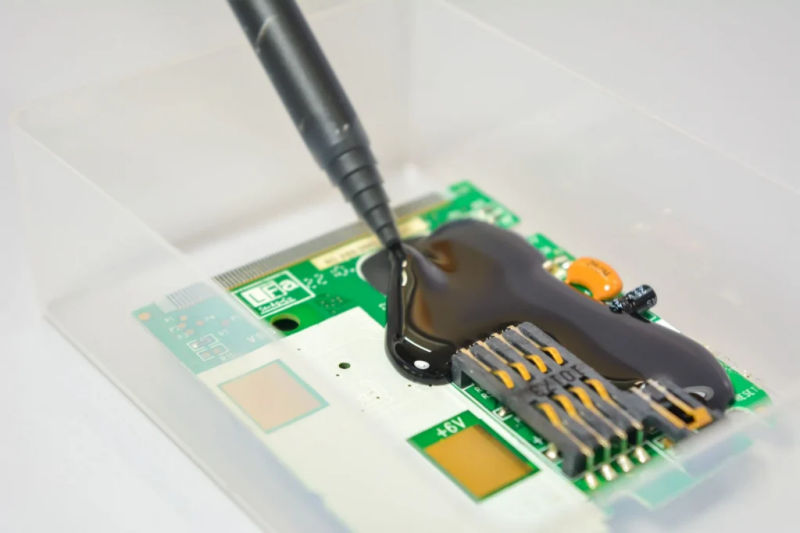
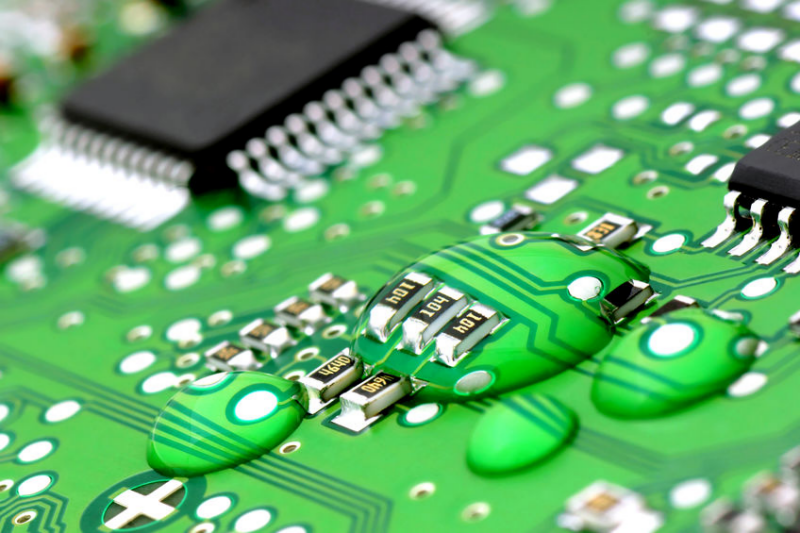
Waterproofing requirements can also affect the PCBA. Depending on the application, engineers may consider conformal coating, protective membranes, sealed connectors, or other component-level protection methods. These solutions need to be selected carefully because they can influence thermal performance, repairability, manufacturing processes, and testing requirements.
Temperature changes can create another challenge. A sealed enclosure may experience pressure differences when the product moves between hot and cold environments. Internal air can expand and contract, potentially contributing to condensation.
For some products, pressure-equalization vents can help manage internal pressure while maintaining protection against liquid water. The correct solution depends on the product architecture, operating environment, and target protection level.
Waterproofing should be validated through physical testing. Prototype units can be evaluated under conditions appropriate to the intended protection level. Engineers should inspect the enclosure and internal components after testing to verify whether water has reached sensitive areas.
Testing should also consider real-world conditions such as cable movement, button operation, repeated opening and closing, temperature changes, and assembly variation.
A waterproof enclosure must also be repeatable in mass production. During injection molding, dimensional variation, warpage, parting lines, and surface quality can affect sealing performance. Fastening torque, gasket installation, connector assembly, and inspection procedures can also influence the final result.
This is why waterproofing should be included in DFM and assembly-process reviews rather than treated as an independent final-stage requirement.
Ultimately, waterproofing is not a single component or coating. It is a system-level engineering requirement involving enclosure design, gaskets, connectors, buttons, cables, PCBA protection, materials, manufacturing tolerances, and testing.
The earlier waterproofing requirements are introduced into product development, the easier it becomes to balance protection, cost, manufacturability, and product performance. For companies developing reliable electronic hardware, waterproofing should therefore be treated as an engineering requirement from the beginning rather than an adjustment made immediately before production.
Post time: Aug-30-2026