



Weather stations are becoming essential infrastructure in modern agriculture, providing localized meteorological data that helps farmers make informed decisions about planting, irrigation, pest control, and harvesting.
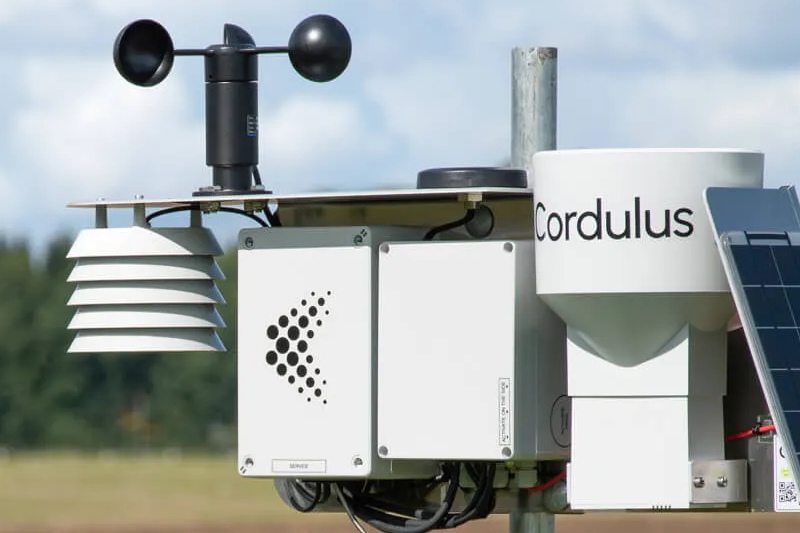
Unlike general weather forecasts, agricultural weather stations are deployed directly in or near farmland, providing hyper-local data such as temperature, humidity, rainfall, wind speed, solar radiation, and atmospheric pressure. This localized data is crucial because weather conditions can vary significantly even within short distances.
One of the key benefits of agricultural weather stations is improved decision-making for irrigation management. By combining rainfall data with evaporation rates, farmers can accurately determine how much water crops actually need. This reduces unnecessary irrigation and improves water efficiency.
Weather stations also play a critical role in disease and pest prediction. Many plant diseases are highly dependent on humidity and temperature conditions. By analyzing real-time weather data, predictive models can alert farmers to potential disease outbreaks before they occur, allowing for preventive action.
In precision agriculture systems, weather stations are often integrated with IoT platforms and cloud-based analytics tools. This integration allows for automated recommendations and even autonomous control of irrigation systems, greenhouses, and pesticide spraying equipment.
Another important application is frost and heatwave monitoring. Sudden temperature changes can severely damage crops. Weather stations can trigger alarms when temperatures approach critical thresholds, enabling farmers to take protective measures such as deploying frost covers or activating wind machines.
Advanced weather stations also include solar radiation sensors, which help optimize photosynthesis conditions and guide planting density decisions. This data is particularly valuable in greenhouse farming, where environmental conditions are tightly controlled.
However, the deployment of weather stations also comes with challenges. Equipment costs, maintenance requirements, and data accuracy issues can limit widespread adoption, especially in small farms. Ensuring proper placement and calibration is essential for reliable readings.
Despite these limitations, agricultural weather stations are becoming increasingly affordable and accessible. As IoT technology advances, these systems are expected to become standard components of smart farming infrastructure worldwide.
Post time: Jun-18-2026